The Hidden Benefits of Concrete Flooring Inside Your Home
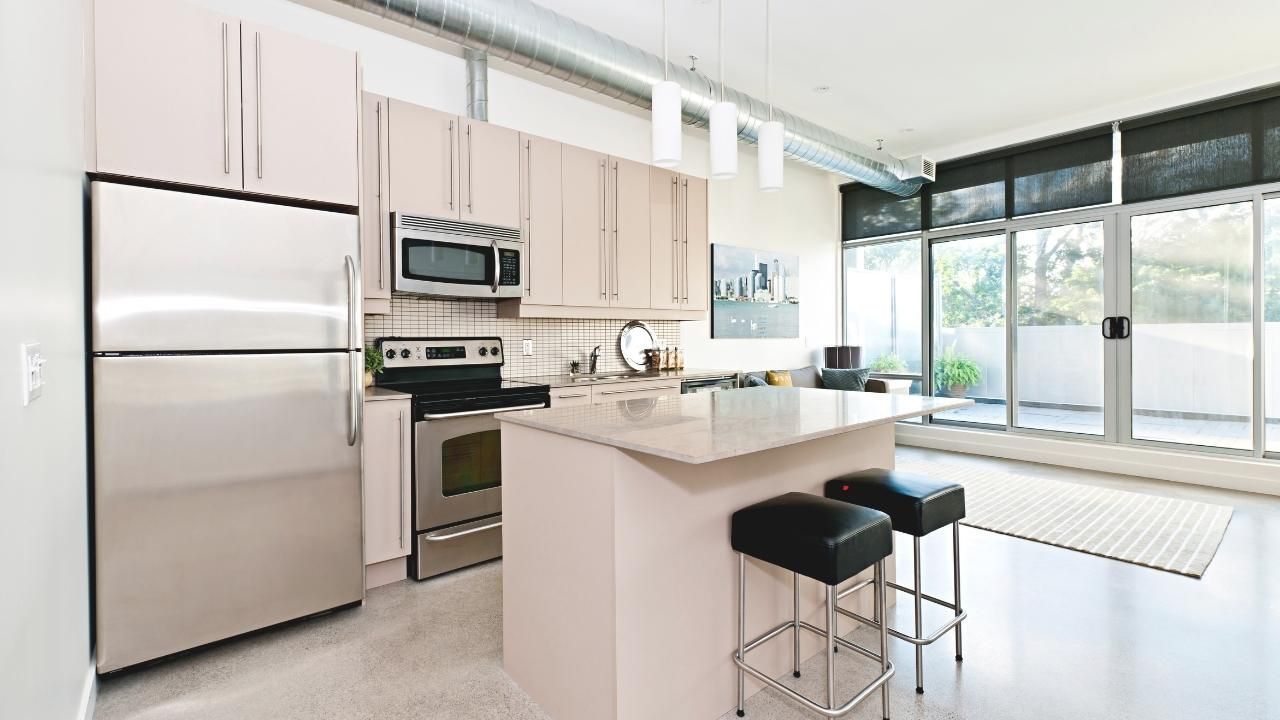
Concrete floors still get boxed into garages and basements, and that’s a mistake. Inside a home, concrete delivers advantages most homeowners don’t notice until they live with it. It’s not flashy, but it’s brutally practical, and once you understand the upside, it’s hard to unsee.
This article breaks down the real, often overlooked benefits of interior concrete flooring. You’ll learn why it lasts longer, costs less over time, improves indoor comfort, and quietly adapts to almost any design style.
Built to Outlast Everything Else
Concrete flooring is not delicate. It doesn’t warp, swell, or peel when humidity shifts. Installed properly by a residential concrete contractor in Goodyear AZ, it can last as long as the house itself with minimal intervention. That’s not marketing hype, it’s physics.
Unlike hardwood or laminate, concrete doesn’t rely on surface layers to stay intact. There’s no veneer to scratch through or boards to loosen. Even under heavy foot traffic, furniture movement, and pets, concrete holds its ground. This durability is why builders and designers increasingly lean on experienced providers like Intricate Concrete when long-term performance matters more than trends.
Lower Lifetime Cost (Not Just Installation Cost)
Concrete floors may look premium, but over decades, they’re often cheaper than “budget” alternatives. There’s no need for refinishing cycles like hardwood or full replacement like carpet. Basic resealing every few years keeps the surface protected and looking sharp.
Maintenance stays simple:
- Sweep or vacuum regularly
- Damp mop with a neutral cleaner
- Reseal when recommended
That’s it. No special products, no seasonal upkeep rituals. When homeowners compare true lifetime costs, concrete regularly beats tile, engineered wood, and vinyl, especially when installed by a top concrete firm that gets it right the first time.
Thermal Performance That Actually Helps
Concrete works with your home’s temperature, not against it. It absorbs heat during the day and releases it slowly, which helps stabilize indoor temperatures. In warm climates, it naturally stays cool underfoot. Pair it with radiant heating, and it becomes one of the most efficient flooring systems available.
This thermal mass effect reduces temperature swings and can ease HVAC workload. You don’t see it on a utility bill line item, but you feel it month after month.
Design Flexibility Most People Miss
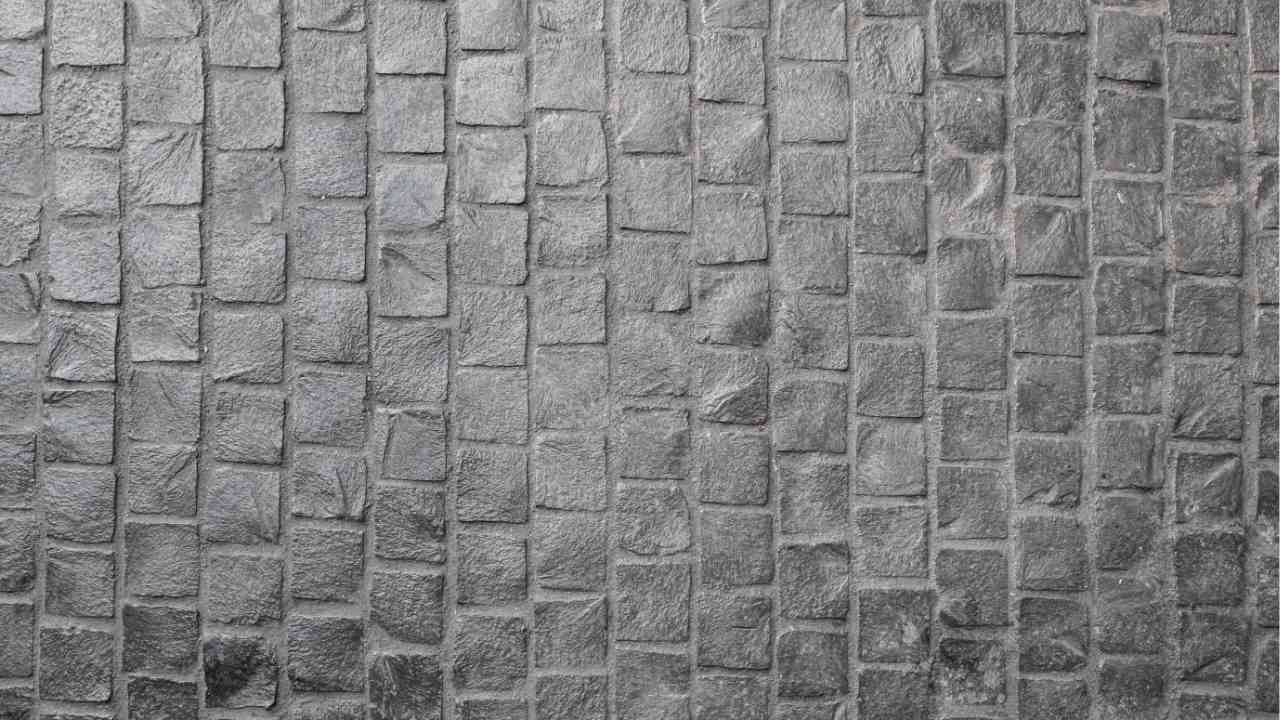
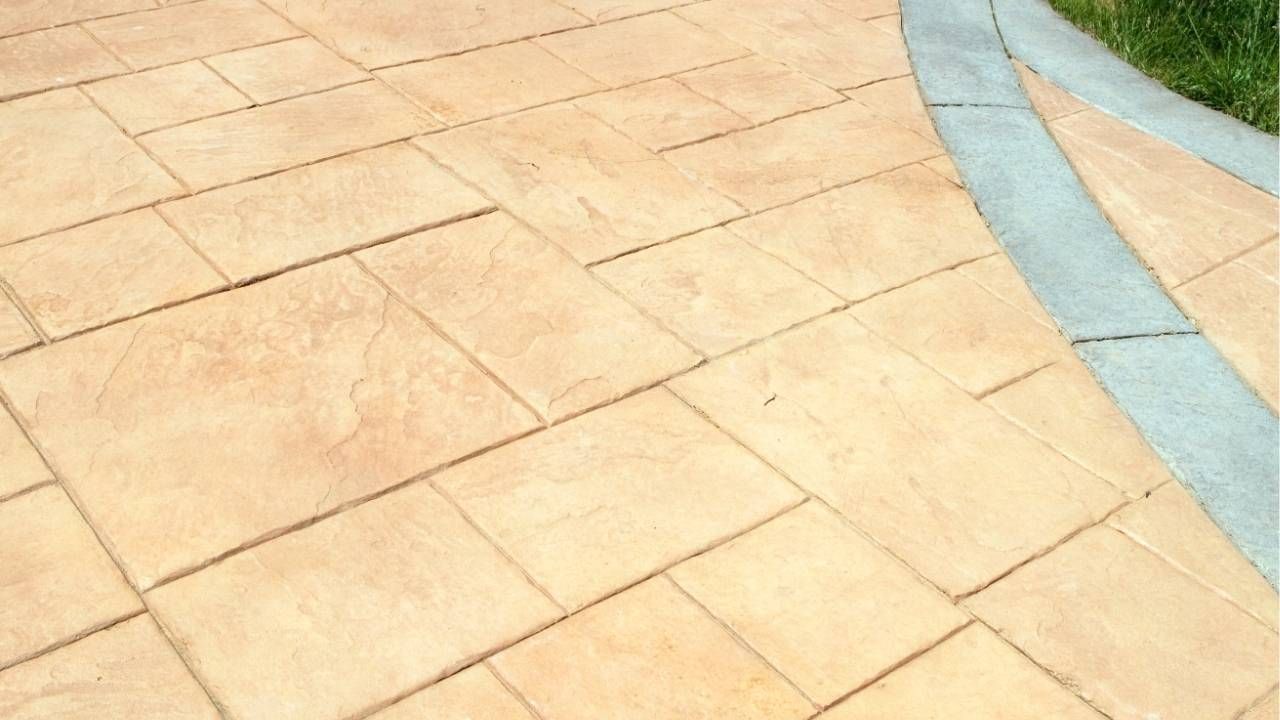
Concrete is not a single look, it’s a base material. Polished finishes, matte seals, stains, dyes, scoring, and overlays give it range most homeowners never consider. It can read modern, industrial, rustic, or even surprisingly warm depending on treatment and lighting.
It also plays well with other materials. Concrete floors act as a visual anchor, letting wood cabinetry, textiles, and accent walls stand out instead of competing for attention. That flexibility is why interior designers quietly love it.
Healthier Indoor Air Without Extra Effort
Carpet traps dust, allergens, and moisture. Some engineered flooring off-gasses adhesives for years. Concrete does neither. It doesn’t harbor allergens, mold, or pet dander, and it requires no chemical-heavy cleaning routines.
For households with asthma, allergies, or pets, this alone can be a game-changer. You’re not managing air quality, you’re eliminating a common source of problems.
A Short Case Study: One Floor, Fewer Headaches
A Phoenix-area homeowner replaced aging tile and carpet with polished concrete throughout their main living space. Initial motivation was durability after multiple repairs. Within six months, they noticed fewer dust issues, more consistent indoor temperatures, and a clear reduction in cleaning time. Two years later, the floor still looks new with nothing more than routine cleaning and a single reseal. Their biggest regret wasn’t choosing concrete, it was not doing it sooner.
Concrete flooring doesn’t beg for attention. It just works, quietly and relentlessly. If you’re planning a remodel or new build and want a floor that delivers value year after year, stop overlooking it and
reach out to a professional who understands interior concrete done right.