Curved vs. Straight Walkways: Which Design Works Best?
A walkway does more than connect two points in your yard, it shapes how people experience your outdoor space. The direction, flow, and design of a path can influence everything from curb appeal to daily convenience. Choosing between a curved or straight walkway might seem like a small decision, but it can dramatically change the look and function of your landscape.
In this guide, you’ll learn how curved and straight walkways differ, when each style works best, and what factors homeowners should consider before starting a project. By the end, you’ll have a clear idea of which design fits your property and lifestyle.
Straight Walkways: Clean, Practical, and Efficient
Straight walkways are all about simplicity and structure. They create a direct route between two points, making them highly practical for everyday use.
Many homeowners searching for a “concrete contractor near me in Goodyear AZ” choose straight walkways because they offer a clean, modern appearance that works well with contemporary homes.
Key advantages of straight walkways include:
- Efficient navigation – No unnecessary turns or curves
- Modern aesthetics – Perfect for minimalist landscapes
- Lower construction costs – Often easier and faster to build
- Space optimization – Ideal for narrow side yards or small front lawns
Straight paths are particularly useful for high-traffic areas, such as walkways leading from the driveway to the front door. Because the route is direct, guests and family members instinctively follow the intended path without stepping on grass or landscaping.
However, straight walkways can sometimes feel rigid or overly formal, especially in larger yards with natural landscaping.
Curved Walkways: Natural Flow and Visual Interest
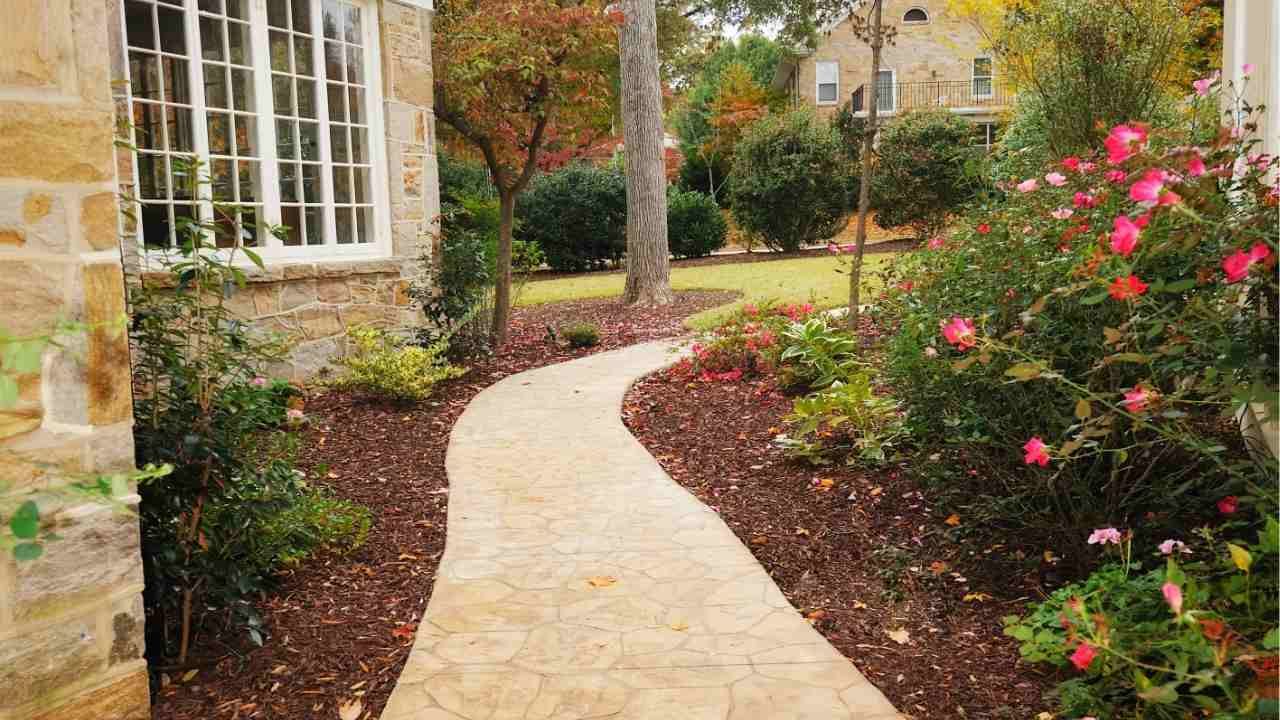
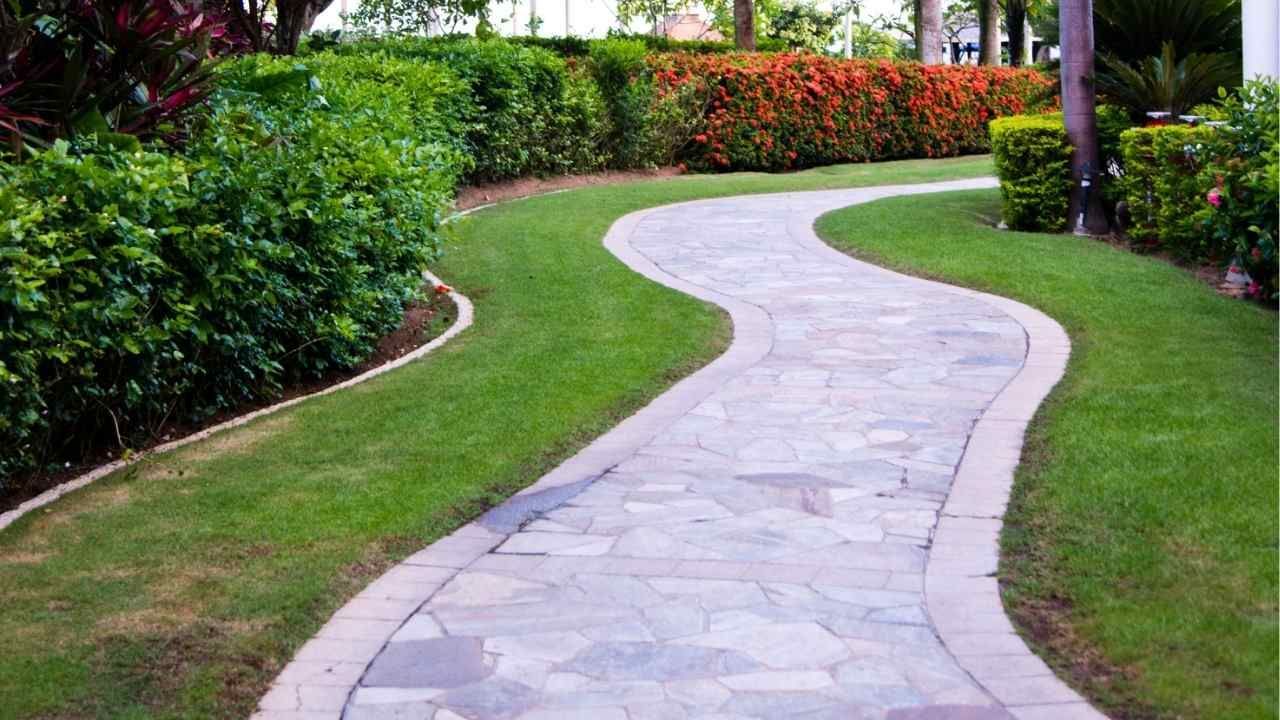
Curved walkways create a softer, more organic look in outdoor spaces. Instead of directing people in a straight line, they guide visitors gradually through the landscape.
This style works especially well with gardens, flower beds, and outdoor seating areas where the goal is to create a relaxed atmosphere.
Benefits of curved walkways include:
- Enhanced curb appeal – Adds elegance and visual movement
- Better landscape integration – Blends naturally with plants and terrain
- Inviting design – Encourages exploration of outdoor spaces
- Flexible layouts – Works around trees, slopes, and landscaping features
Because curved paths require precise planning and forming, homeowners often rely on experienced professionals who specialize in residential concrete services to ensure the design flows smoothly and maintains durability.
While curved walkways are visually appealing, they typically require more planning and slightly higher installation costs due to their complexity.
Factors to Consider Before Choosing a Design
The best walkway design depends on more than personal preference. Several practical factors should guide your decision.
Property Layout
The size and shape of your yard matter. Narrow spaces often benefit from straight paths, while large yards provide room for gentle curves.
Home Architecture
Your home’s style should influence the walkway design.
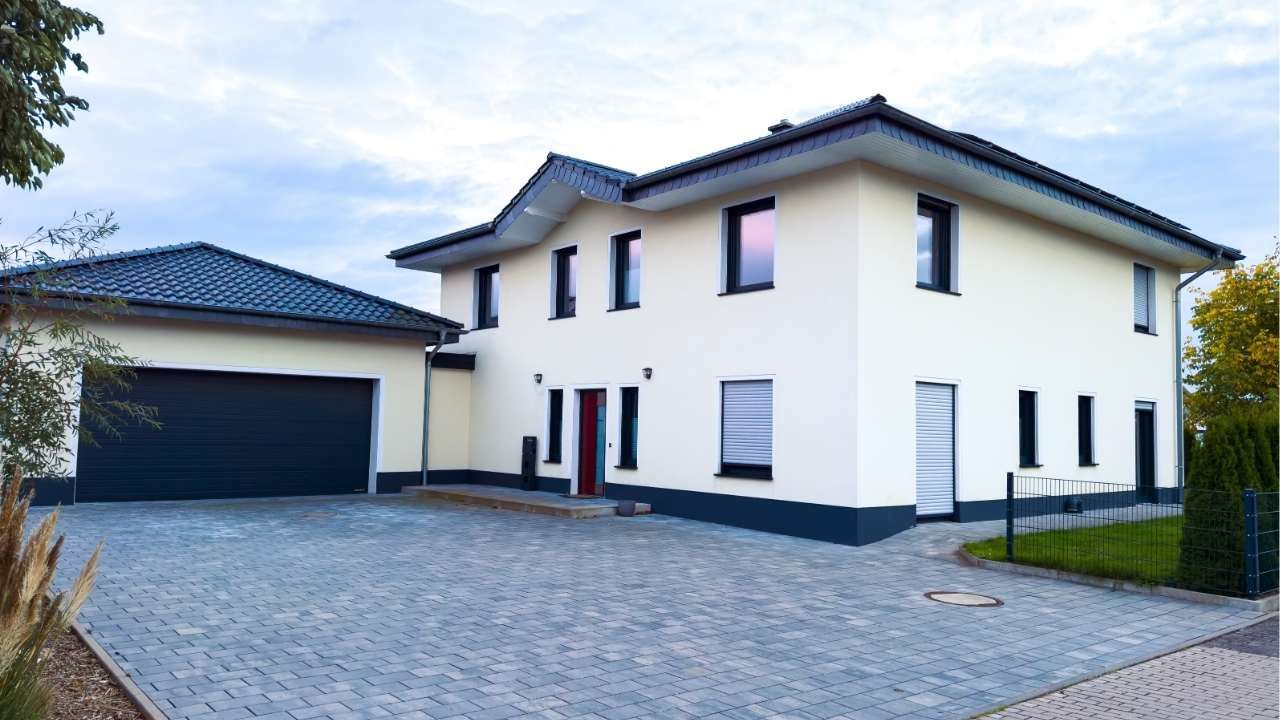
- Modern homes pair well with straight lines
- Traditional or cottage-style homes often look better with curved paths
Foot Traffic Patterns
Think about how people will use the walkway daily. A direct route may make more sense for frequently used entrances.
Budget and Construction Complexity
Curved walkways typically require more detailed concrete installation, which can increase labor and planning time.
Balancing design with functionality will help you choose a walkway that looks great and performs well over time.
Case Study: Transforming a Front Yard With the Right Walkway
A homeowner in a suburban neighborhood initially installed a straight walkway from the driveway to the front door. While functional, the path cut through the yard awkwardly and made the landscape feel flat.
After consulting a contractor, the homeowner replaced it with a gently curved walkway that wound through small flower beds and landscape lighting. The result was dramatic.
The curved design softened the home’s exterior, created space for decorative landscaping, and made the entrance feel more welcoming. Visitors naturally followed the path while appreciating the garden features along the way. The project proved that walkway design can dramatically influence both curb appeal and how a property feels to guests.
Finding the Perfect Balance Between Style and Function
Ultimately, both curved and straight walkways can look fantastic when designed properly. The key is choosing a layout that complements your home, fits your yard, and supports everyday use.
If you’re planning to upgrade your outdoor space, consulting an experienced professional can help you design a walkway that balances beauty, durability, and practicality.
Take the next step, get in touch with a local concrete expert to plan a walkway design that enhances your home’s curb appeal and functionality.