5 Signs You Need to Replace Your Driveway
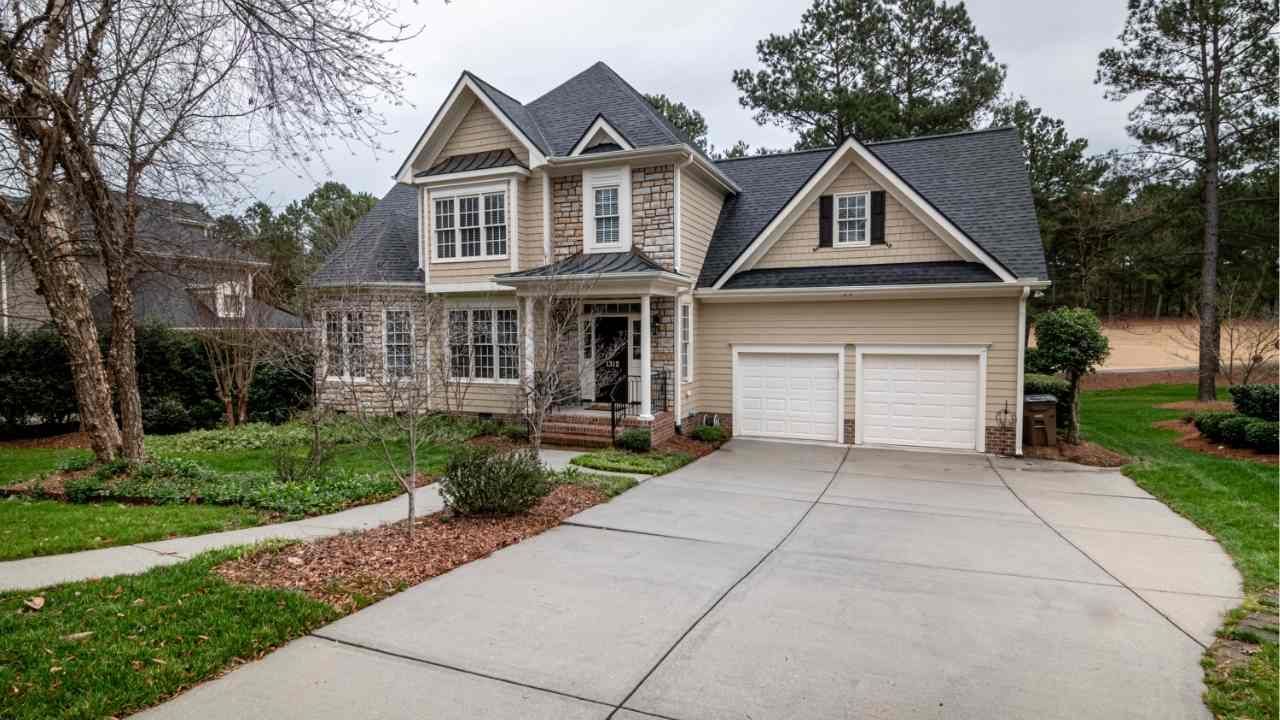
Your driveway does more than just get you from the street to your garage, it sets the tone for your entire property. When it starts to fail, it’s not just an eyesore; it can become a safety risk and a costly problem if ignored. The tricky part? Many homeowners don’t realize their driveway is beyond repair until it’s too late.
In this guide, you’ll learn how to spot the warning signs early, what they mean, and when it’s time to stop patching and start planning for a full replacement.
1. Widespread Cracking That Keeps Coming Back
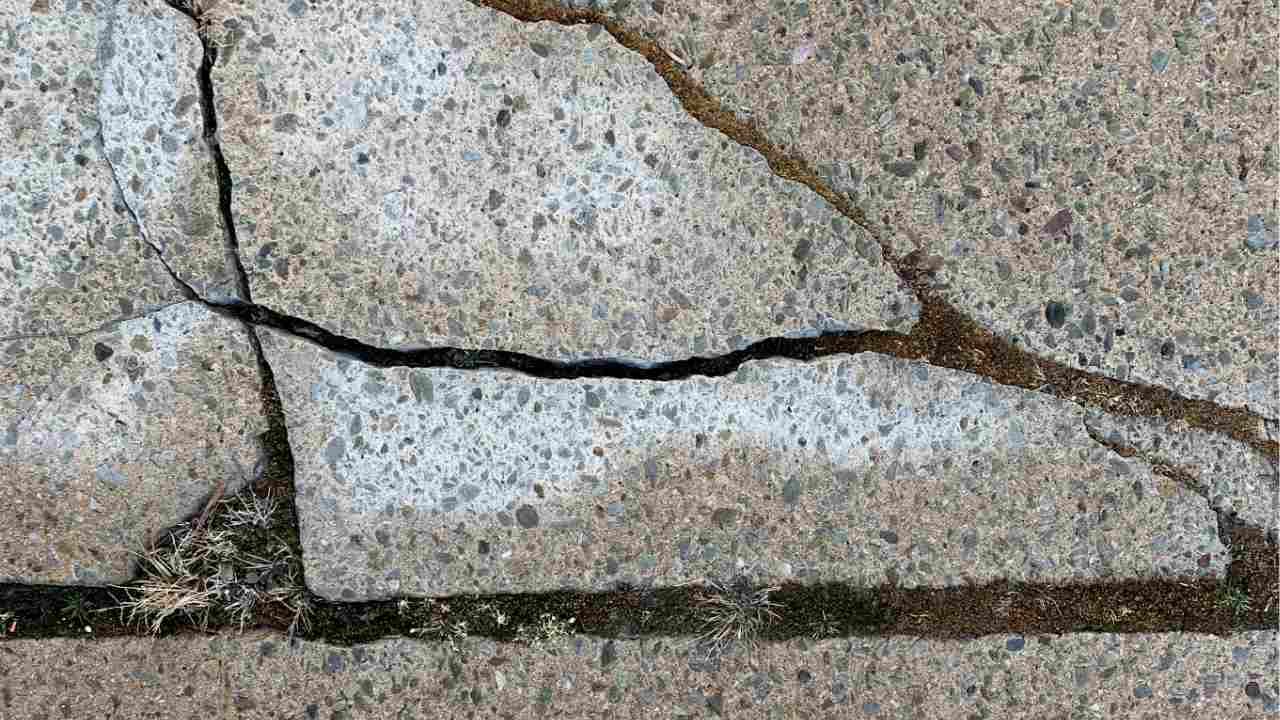
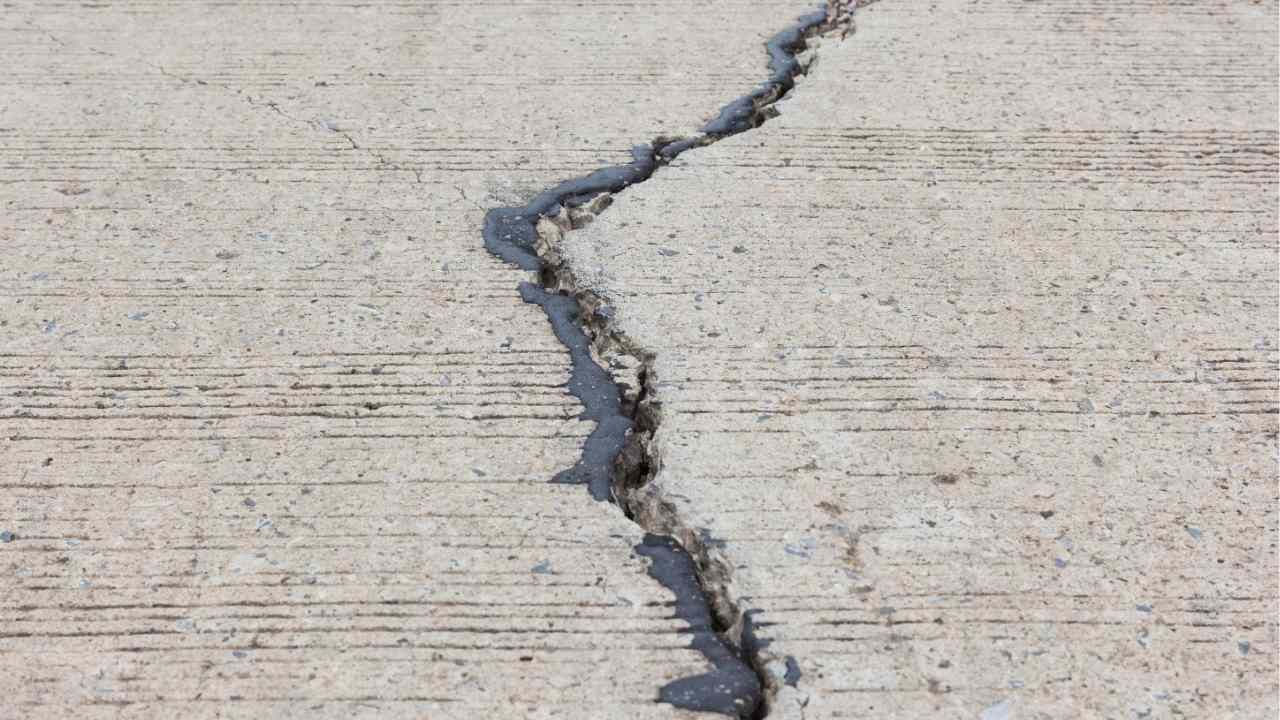
A few small cracks are normal over time. But when cracks spread across large sections or keep reappearing after repairs, it’s a red flag.
This usually means the foundation beneath your driveway has shifted or deteriorated. No amount of patchwork will fix a failing base.
Watch for:
- Long, deep cracks running across the surface
- Multiple cracks forming a web-like pattern
- Repairs that don’t last more than a season
At this stage, reaching out to a trusted Goodyear AZ stamped concrete contractor can help you assess whether replacement is the smarter long-term move.
2. Drainage Problems and Standing Water
Water is one of the biggest enemies of any driveway. If you notice puddles forming after rain, your driveway may no longer be draining properly.
Poor drainage can:
- Weaken the underlying soil
- Cause cracks and erosion
- Lead to faster surface breakdown
If water sits in the same spots repeatedly, the slope or structure has likely failed. This is where professional concrete services in Goodyear AZ can evaluate grading issues and recommend a proper fix.
3. Uneven or Sunken Sections
An uneven driveway isn’t just ugly, it’s dangerous. Sunken areas can damage vehicles, create tripping hazards, and signal deeper structural issues.
Common causes include:
- Soil erosion beneath the slab
- Poor initial installation
- Heavy loads over time
If multiple areas are sinking or lifting, repairs may only offer temporary relief. A full concrete driveway installation ensures a stable base and a level surface that lasts.
4. Surface Deterioration and Pitting
Over time, exposure to weather and traffic can wear down your driveway’s surface. You might start to see pitting, flaking, or a rough texture.
This type of damage often means the top layer is breaking apart, which can quickly worsen.
Look for:
- Small holes or pits across the surface
- Loose gravel or debris
- Fading and discoloration
Once deterioration spreads, resurfacing may not be enough. Replacement becomes the more cost-effective option.
5. Age and Constant Repairs Adding Up
Even the best driveways don’t last forever. Most concrete driveways have a lifespan of 20–30 years, depending on usage and maintenance.
If you find yourself:
- Repairing cracks every year
- Spending more on fixes than before
- Dealing with recurring issues
…it’s time to step back and look at the bigger picture. Constant repairs can quickly exceed the cost of a full replacement.
Real-World Example: When Repairs Stop Making Sense
A homeowner in Goodyear dealt with recurring cracks and pooling water for years. They patched the surface multiple times, hoping to extend its life. But the problems kept coming back and getting worse.
After finally opting for a full replacement, they discovered the base had completely eroded in several areas. The new driveway not only solved the drainage issue but also boosted curb appeal and property value. In hindsight, replacing it sooner would have saved both time and money.
When Replacement Is the Smart Choice
If you’re seeing one or more of these signs, don’t wait for things to get worse. A failing driveway won’t fix itself and delaying the inevitable often leads to higher costs.
The right solution starts with a proper assessment and a long-term mindset.
Take the Next Step
If your driveway is showing clear signs of wear, now is the time to act. Get a professional evaluation and explore your options before minor issues turn into major expenses.