How Wide Should a Residential Walkway Be?
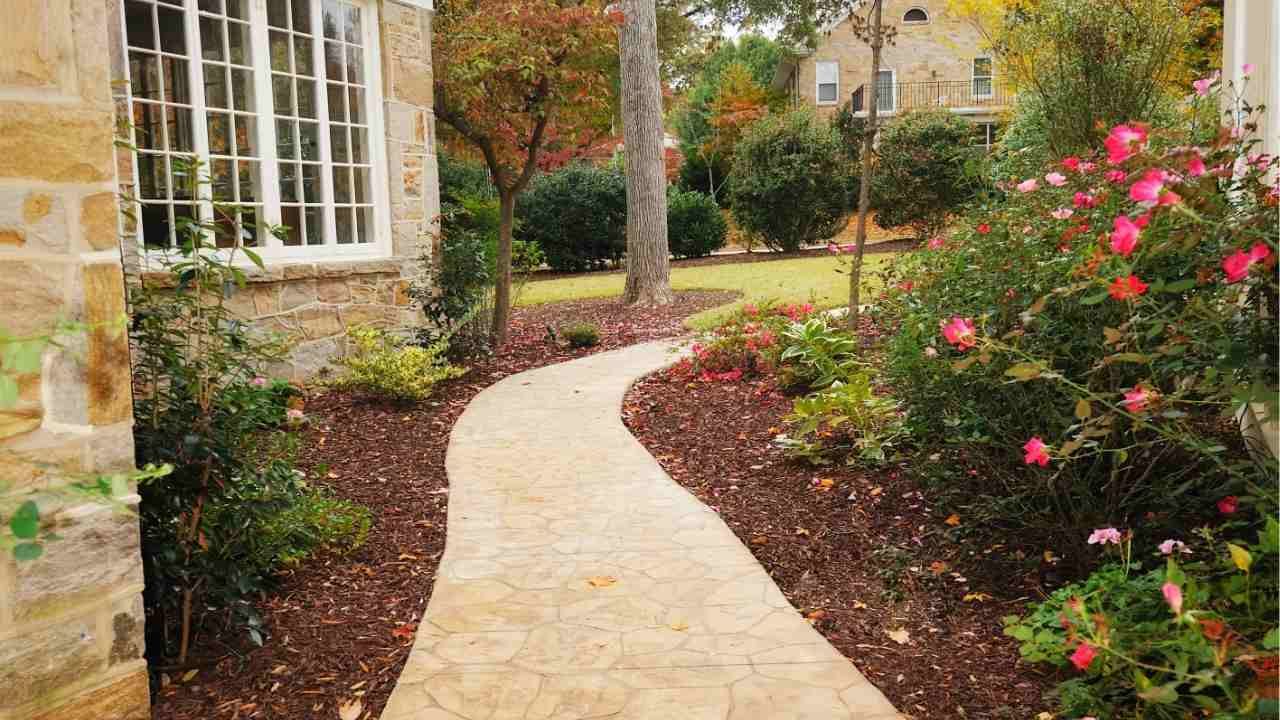
A walkway might seem like a small detail, but get the width wrong and it quickly becomes a daily annoyance. Too narrow, and it feels cramped. Too wide, and you waste space and budget. The right balance makes your home more functional and a lot more inviting.
In this guide, you’ll learn the ideal walkway widths for different situations, what factors actually matter, and how to make smart decisions before pouring concrete.
Why Walkway Width Matters More Than You Think
Walkways aren’t just decorative, they’re functional pathways people use every single day. Whether it’s guests arriving at your front door or you hauling groceries inside, width directly impacts comfort and usability.
For homeowners working with a residential concrete builder in Goodyear AZ, this decision often comes up early in the planning phase. And it should, because fixing it later is expensive.
Here’s what proper width does for you:
- Improves safety by reducing tripping hazards
- Allows multiple people to walk side-by-side
- Enhances curb appeal and balance in your landscape
- Makes movement easier for strollers, carts, or wheelchairs
Standard Walkway Widths (And When to Use Them)
There’s no one-size-fits-all answer, but there are proven guidelines that work for most homes.
1. Minimum Width: 36 Inches
This is the absolute baseline. A 3-foot walkway allows one person to walk comfortably, but that’s about it.
Use this width if:
- Space is limited
- The walkway is rarely used
- It’s a secondary path (like a side yard)
2. Comfortable Width: 42–48 Inches
This is the sweet spot for most residential properties.
At this width:
- Two people can walk side-by-side (tight but doable)
- Movement feels natural, not restricted
- It works well for front entry paths
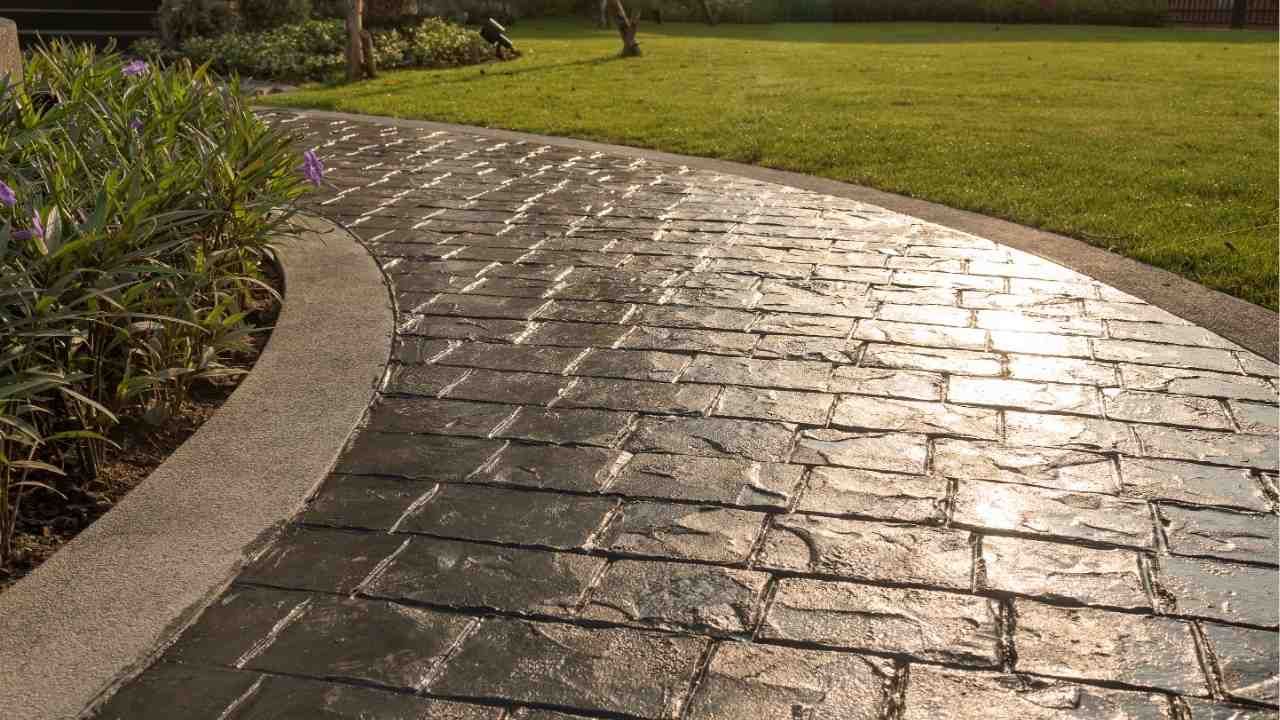
f you’re hiring a Goodyear AZ stamped concrete contractor, this is typically the most recommended range for both function and aesthetics.
3. Luxury Width: 60 Inches and Above
Now you’re stepping into premium territory.
Wider walkways:
- Feel more open and inviting
- Handle high foot traffic easily
- Create a grand entrance effect
Ideal for:
- Large homes or estates
- Garden pathways meant for strolling
- Homes with frequent guests or events
Key Factors That Should Influence Your Decision
Choosing width isn’t just about preference, it’s about how the walkway will actually be used.
Foot Traffic
Think realistically:
- Will people walk alone or in pairs?
- Do you entertain often?
More traffic = wider walkway.
Purpose of the Path
A front walkway should feel welcoming and spacious. A backyard utility path? Not so much.
Match the width to the purpose:
- Front entrance: wider and more inviting
- Side yard: practical and minimal
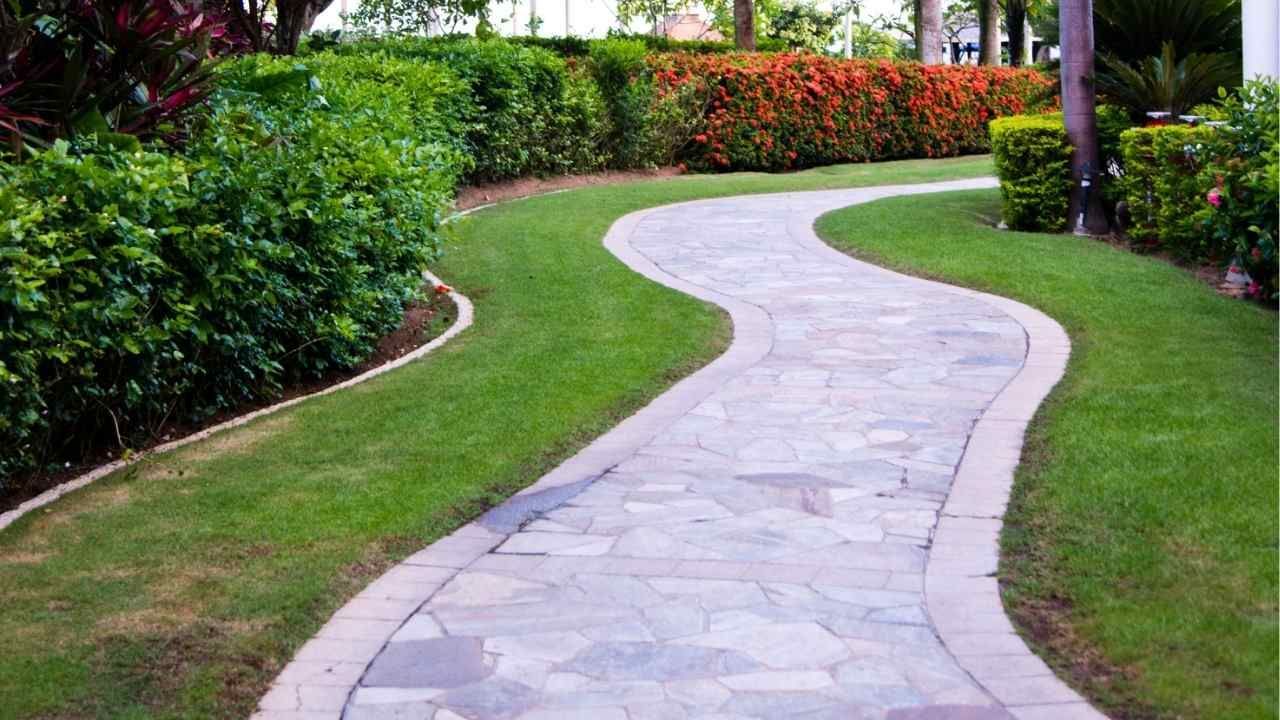
- Garden path: somewhere in between
Landscape Design
Your walkway should complement, not overpower your yard.
A professional concrete services provider will usually align walkway width with:
- Driveway size
- Lawn proportions
- Overall home scale
Too wide can look awkward. Too narrow can look like an afterthought.
Accessibility Needs
If you have kids, elderly family members, or mobility concerns, don’t cut corners here.
Wider walkways:
- Make movement safer
- Allow assistive devices like walkers or wheelchairs
- Reduce congestion
Common Mistakes to Avoid
Let’s be blunt, these mistakes happen all the time, and they’re costly.
- Going too narrow to save money
You’ll regret it every time you squeeze past someone. - Ignoring future needs
What works today may not work in five years. - Overbuilding without purpose
A massive walkway in a small yard just looks off. - Not consulting a professional early
Layout decisions are harder to fix once concrete is poured.
A Quick Real-World Example
A homeowner wanted a sleek, modern walkway leading to their front door. They initially chose a 36-inch width to cut costs. After installation, they realized it felt cramped, especially when guests arrived.
They ended up redoing the walkway at 48 inches. The difference? Night and day. It looked better, felt more welcoming, and actually matched the scale of the house.
The lesson is simple: function first, budget second.
Final Thoughts: Get the Width Right the First Time
Walkway width isn’t something you want to guess. It’s one of those details that quietly affects your daily experience at home.
If you’re planning a new path or upgrading an existing one, think about how you’ll actually use it, not just how it looks on paper.
Take the next step: Reach out to a qualified contractor and map out the right width for your space before you commit.