Concrete vs. Pavers: Which One Works Better for Homeowners?
Choosing the right surface for your driveway, patio, or walkway isn’t just about looks, it’s about long-term value. One wrong decision can lead to cracks, constant repairs, or regret every time you step outside. So, how do you pick between concrete and pavers?
In this guide, you’ll learn the real differences, costs, durability factors, and when each option makes the most sense for your home.
Concrete: Clean, Strong, and Budget-Friendly
Concrete is often the go-to choice for homeowners who want a clean, modern look without overspending. If you’ve ever worked with a Goodyear AZ concrete contractor residential service provider, you’ve likely seen how versatile and cost-effective it can be.
Here’s why concrete remains popular:
- Lower upfront cost compared to pavers
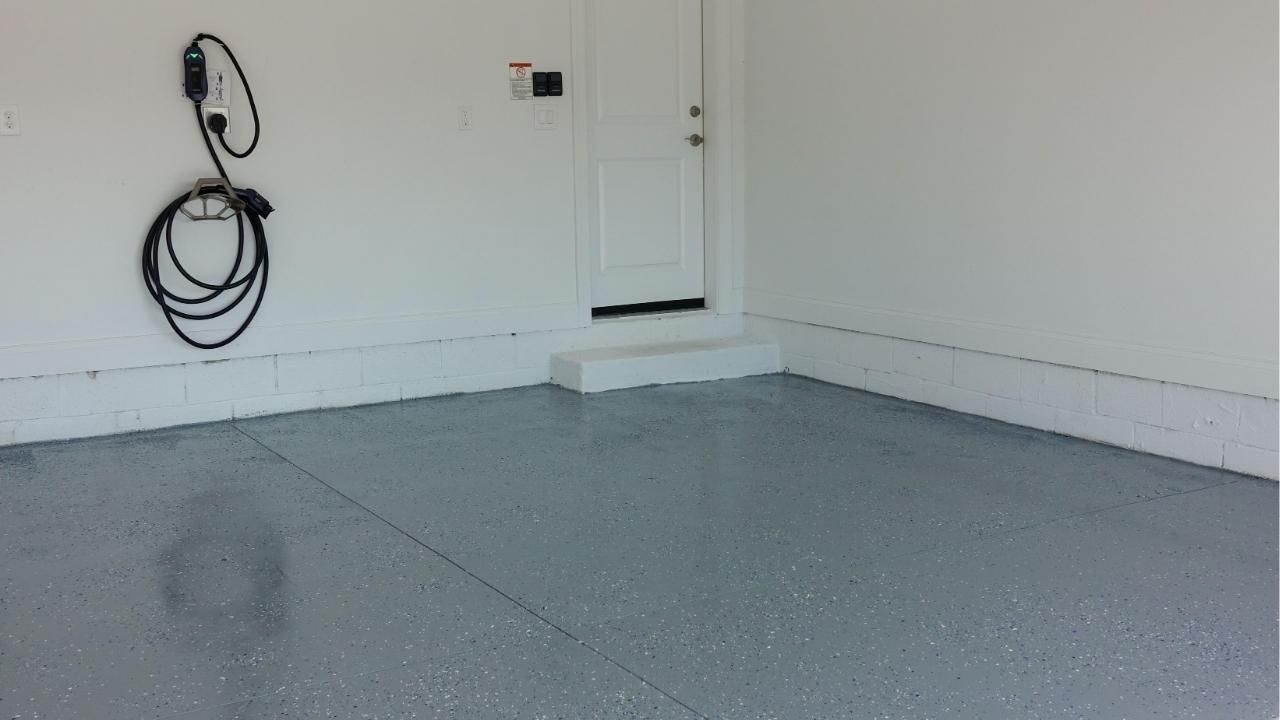
- Smooth, uniform finish
- Faster installation process
- Minimal design complexity
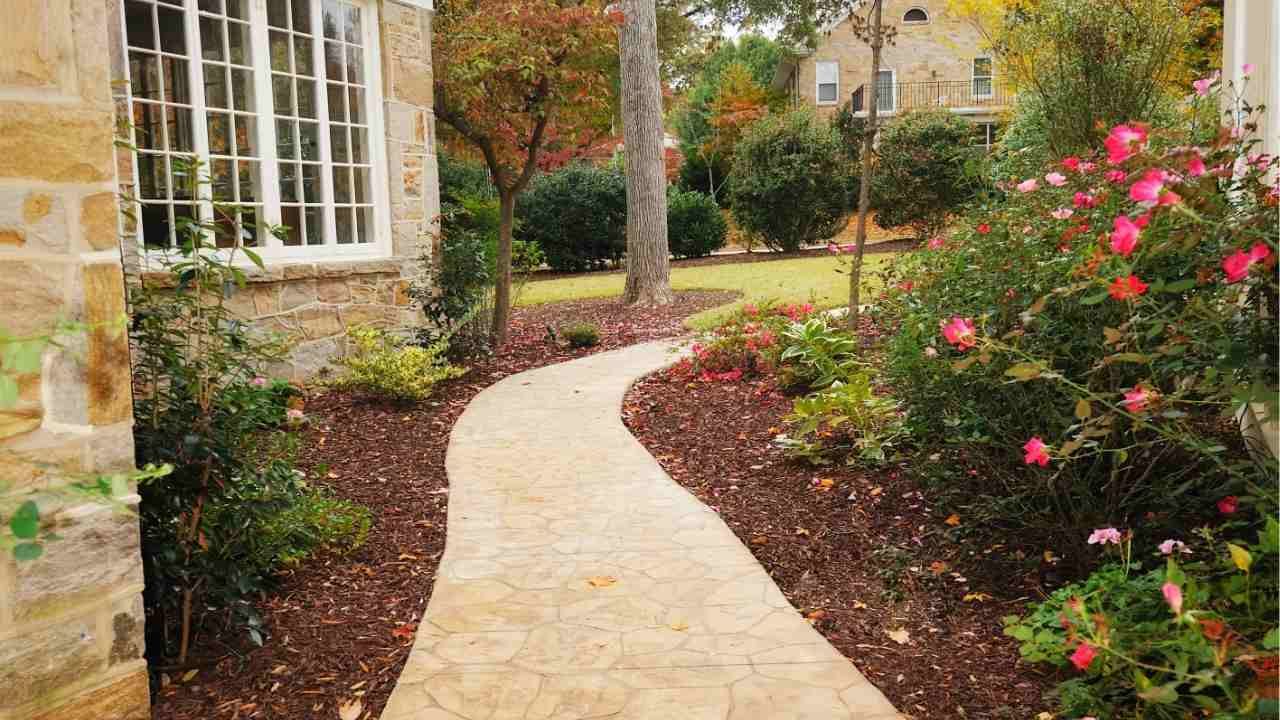
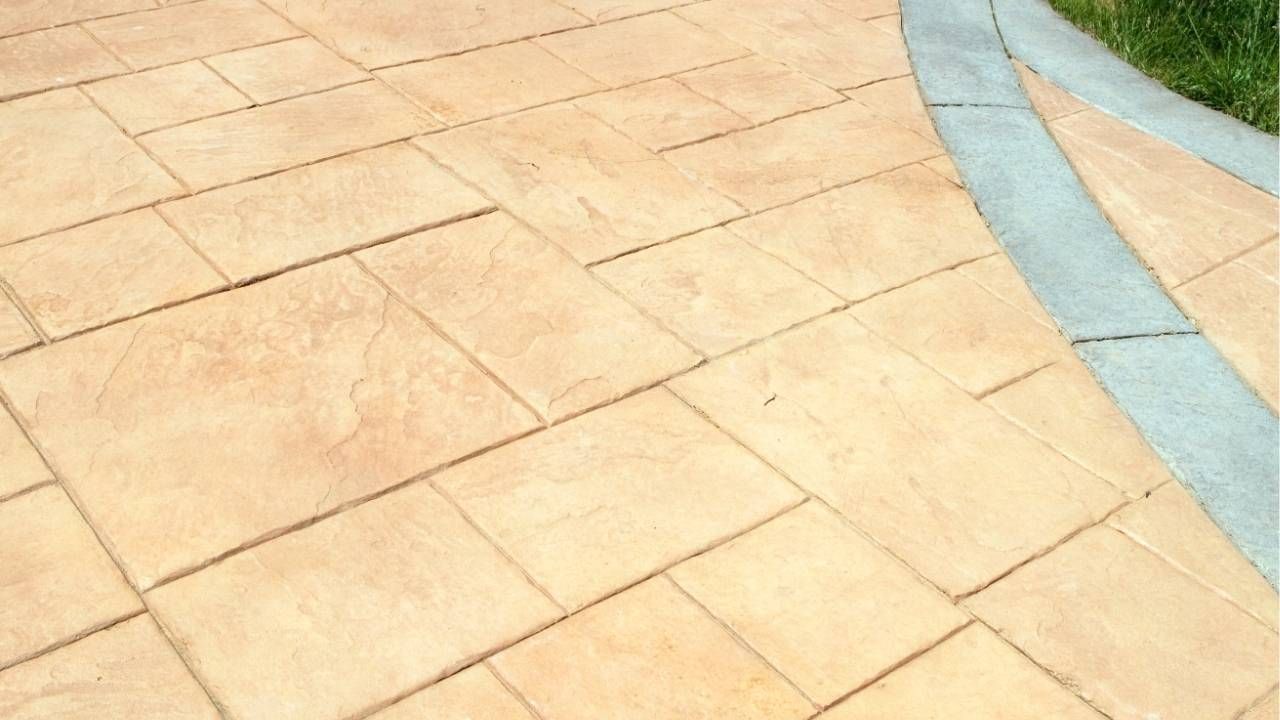
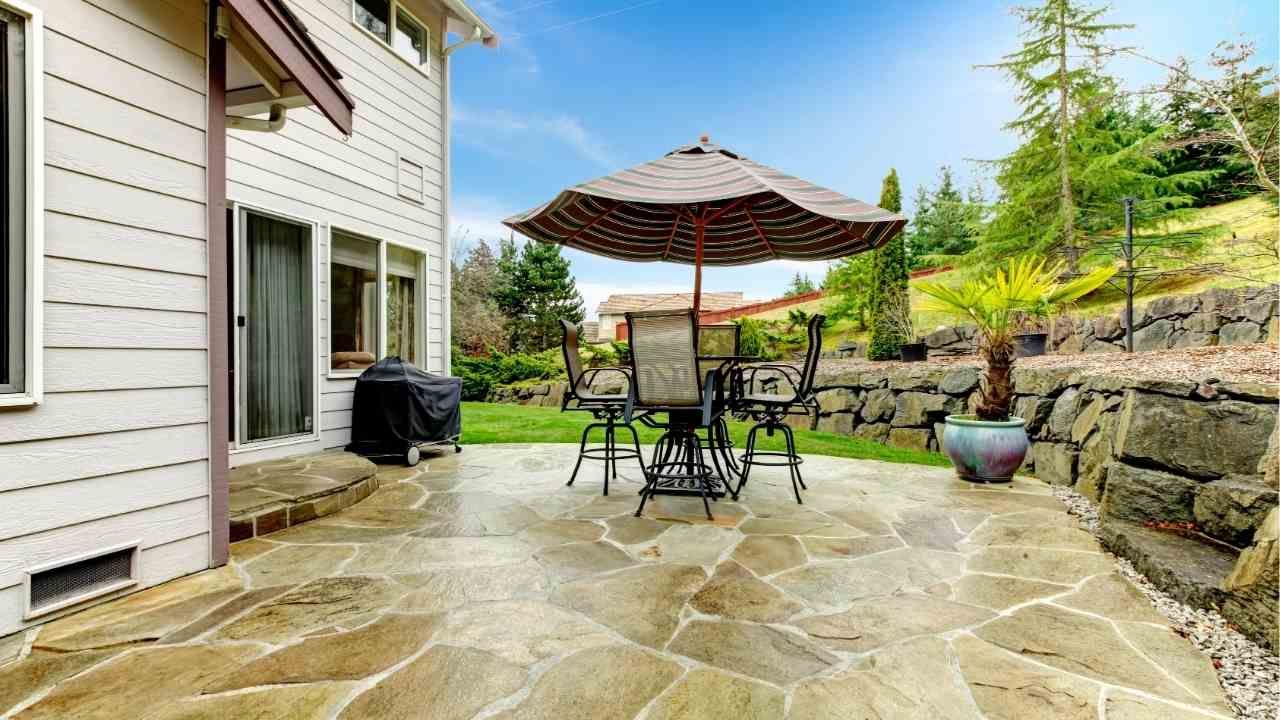
With residential concrete services, you can also customize finishes, like stamped or stained concrete, to mimic stone or brick without the added cost.
But here’s the catch:
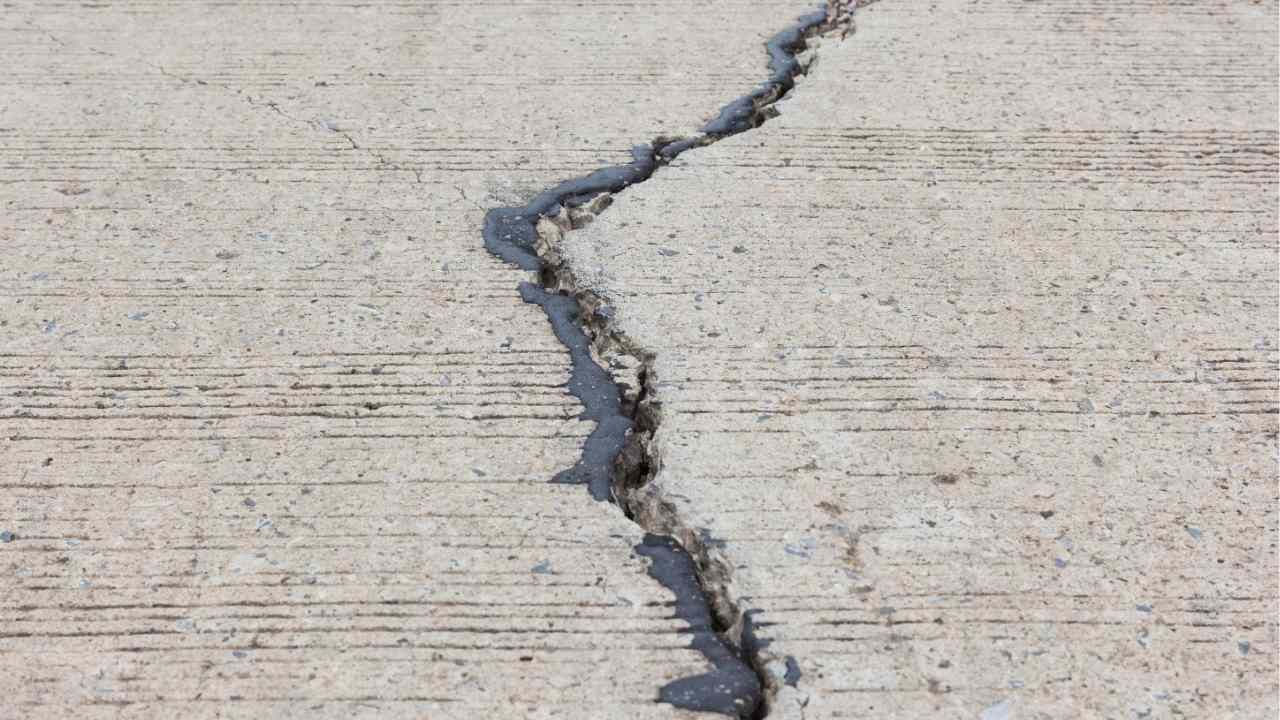
Concrete is prone to cracking over time, especially in areas with temperature swings. Repairs can also be tricky since patches often don’t match the original surface.
Pavers: Flexible, Stylish, and Built to Last
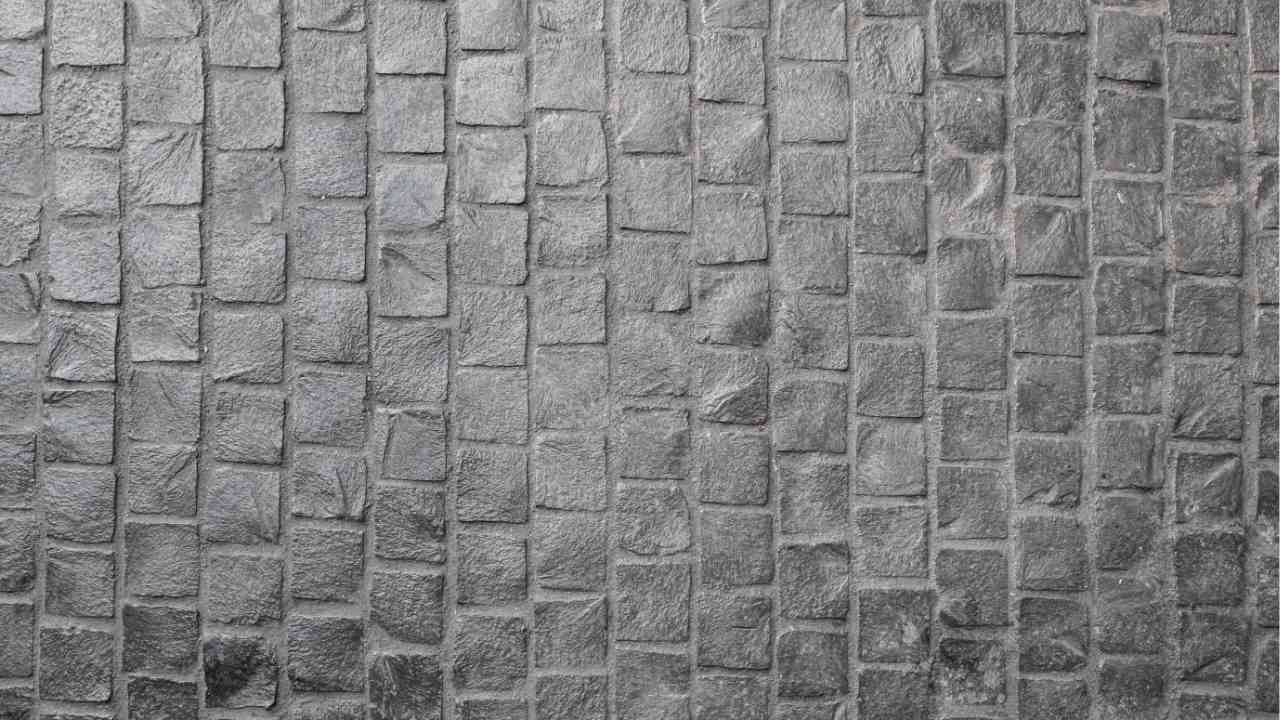
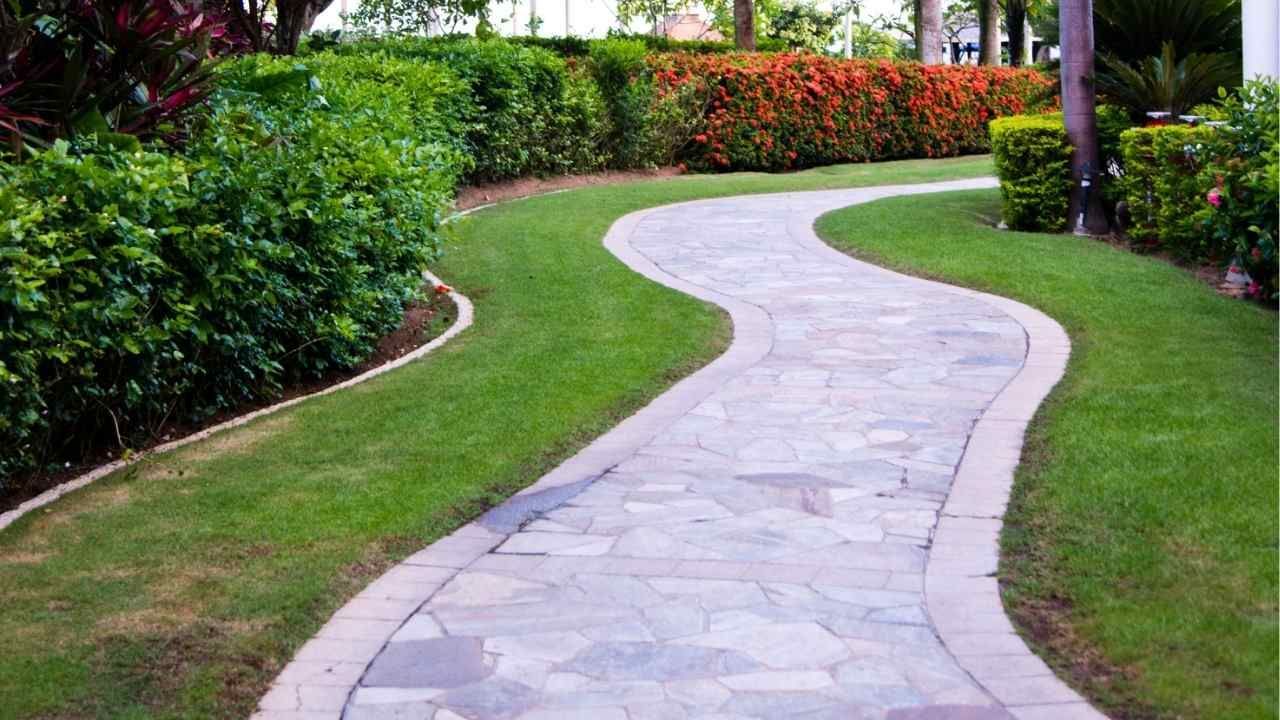
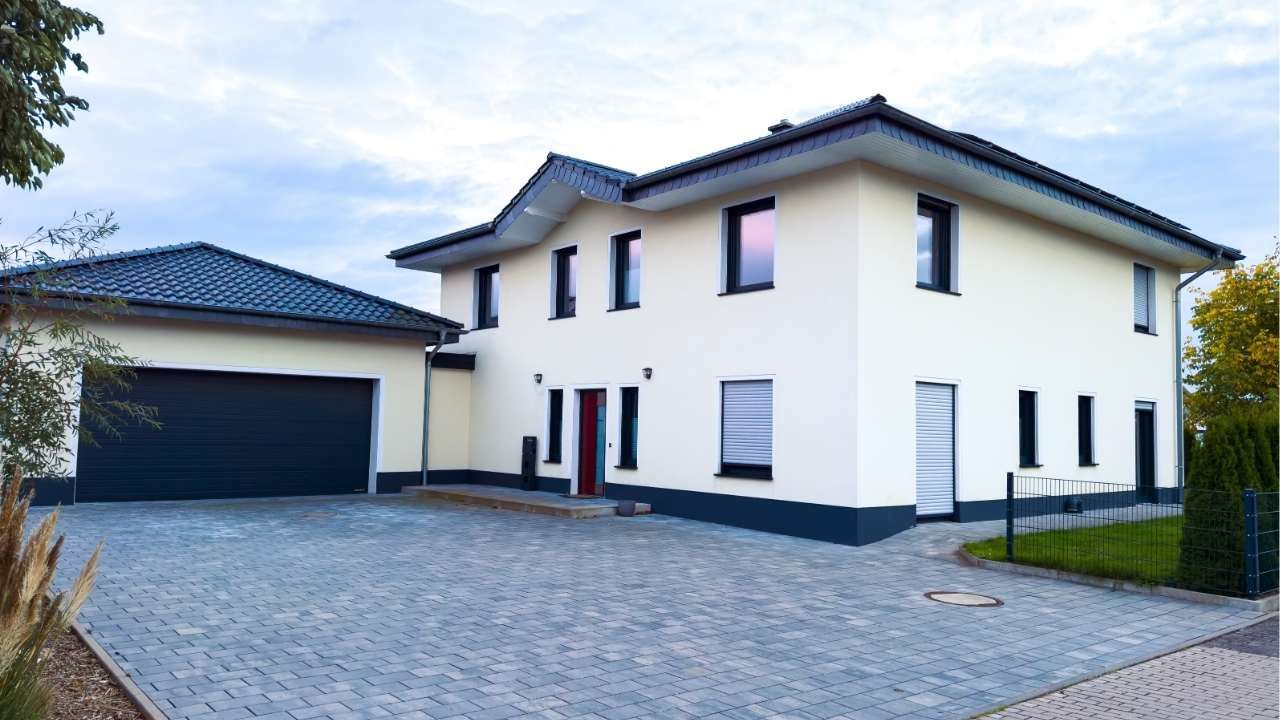
If you care about aesthetics and long-term durability, pavers are hard to beat. They offer a high-end look and are installed piece by piece, giving your space a more customized feel.
Benefits of pavers include:
- Strong resistance to cracking
- Easy repairs (just replace individual pavers)
- Wide range of colors, shapes, and patterns
- Better drainage between joints
A skilled concrete contracting company may even recommend pavers for areas that experience heavy use or shifting soil.
The trade-off?
Pavers usually cost more upfront and take longer to install. However, many homeowners see this as an investment rather than an expense.
Cost Comparison: Short-Term vs Long-Term Thinking
At first glance, concrete seems like the obvious winner. It’s cheaper and quicker to install. But let’s look deeper.
Concrete costs:
- Lower initial investment
- Higher long-term maintenance if cracking occurs
Paver costs:
- Higher upfront expense
- Lower repair costs over time
If you’re planning to stay in your home for years, pavers often deliver better value. If you’re working with a tighter budget or need a quick solution, concrete gets the job done.
Case Study: A Real Homeowner Decision
A homeowner in Arizona faced this exact dilemma when upgrading their driveway and patio. Initially leaning toward concrete due to cost, they consulted a local contractor who explained the long-term risks of cracking under intense heat.
After weighing their options, they chose pavers for the driveway and concrete for the backyard patio. This hybrid approach gave them durability where it mattered most and savings where it didn’t.
Two years later, the driveway still looks brand new, while the patio remains functional and clean, proving that the best solution isn’t always one-size-fits-all.
Which One Should You Choose?
It comes down to your priorities. Ask yourself:
- Do you want the lowest upfront cost? → Go with concrete
- Do you want long-term durability and easier repairs? → Choose pavers
- Are aesthetics a top priority? → Pavers win
- Need a quick installation? → Concrete is faster
A smart approach is to evaluate each area of your property separately instead of forcing one material everywhere.
Final Thoughts: Make the Smart Move
Both concrete and pavers have their place. The real mistake isn’t choosing one over the other, it’s choosing without understanding how each performs over time.
If you want results that last, reach out to a professional, weigh your options carefully, and don’t just think about today, think five years ahead.
Ready to upgrade your outdoor space? Get expert advice and start planning your project today.