5 Signs Your Home’s Concrete Needs Repair or Replacement
Concrete is tough. It handles heat, rain, heavy vehicles, and years of wear without much complaint. But when it starts to fail, it rarely does so quietly. The warning signs are there, you just need to know what to look for.
In this article, you’ll learn the five most common signs your home’s concrete needs repair or full replacement, what those issues really mean, and when it’s time to call a Goodyear AZ concrete contractor residential homeowners trust for long-term results.
1. Widening or Deep Cracks
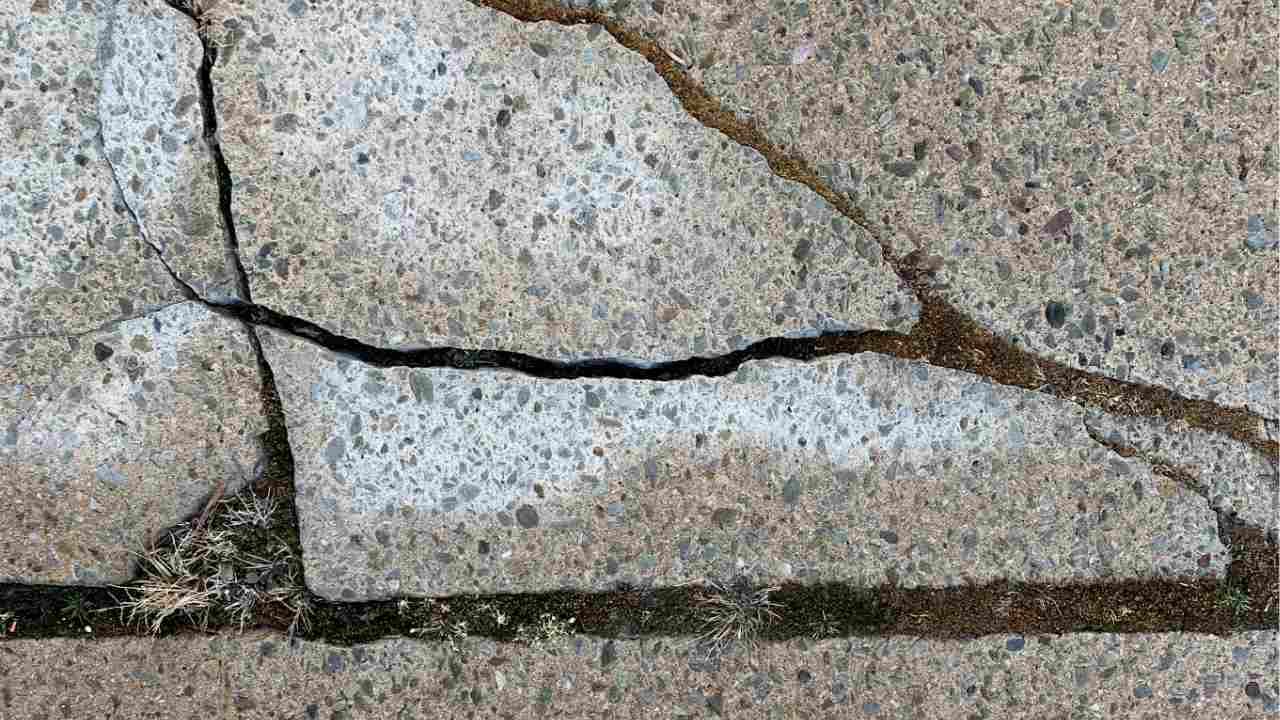
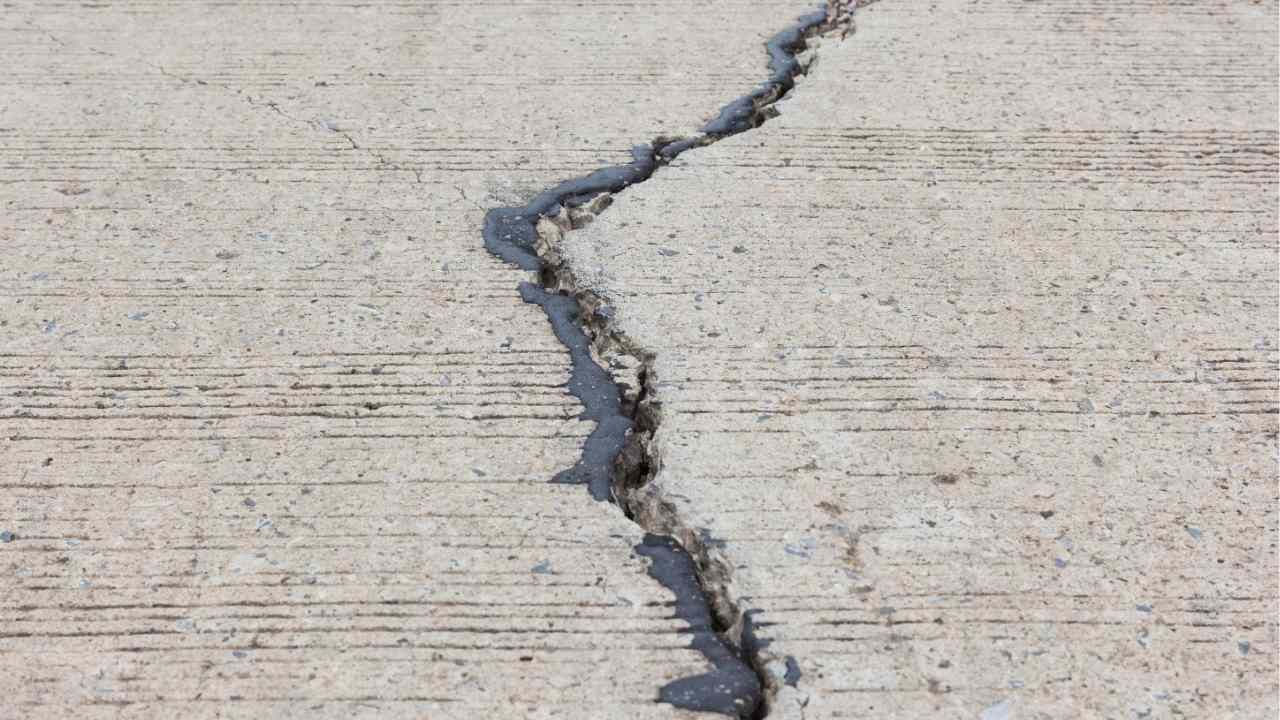
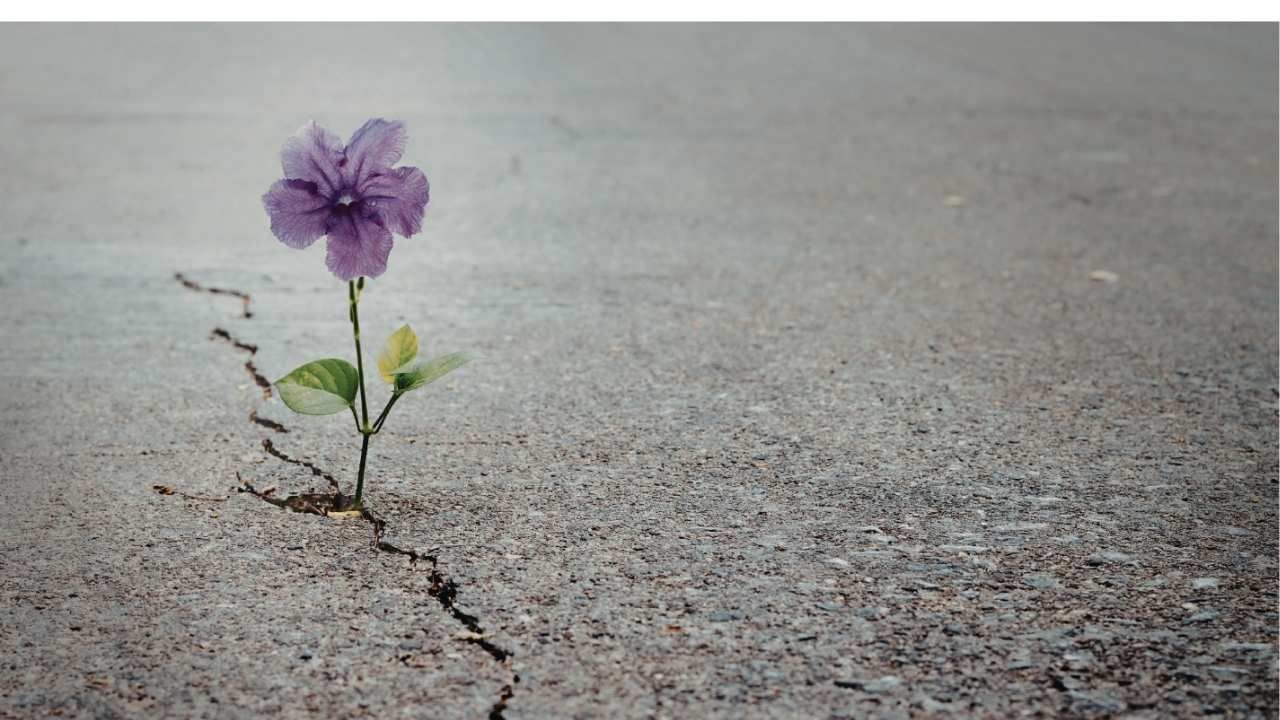
Hairline cracks are normal. Concrete expands and contracts with temperature changes, especially in hot climates like Arizona. But cracks that are wider than 1/8 inch, spreading, or sinking on one side? That’s a different story.
Watch for:
- Cracks that form zigzag patterns
- Gaps that collect water or debris
- Sections that are uneven on either side
These cracks often signal shifting soil, poor installation, or water damage beneath the slab. Left alone, they can grow fast. A qualified concrete services provider can assess whether the slab can be repaired or if replacement is the smarter move.
2. Uneven or Sunken Surfaces
If your driveway feels like a speed bump track or your patio slopes awkwardly toward your home, you’ve got a problem. Uneven concrete isn’t just an eyesore, it’s a safety hazard.
Common causes include:
- Soil erosion under the slab
- Poor compaction during installation
- Long-term water drainage issues
Sunken concrete near your foundation is especially concerning. Water can pool and seep toward your home, increasing the risk of structural damage. In some cases, lifting techniques may work. In others, replacement is the only stable solution.
3. Flaking, Scaling, or Surface Deterioration
When the top layer of concrete starts to peel or chip away, it’s called spalling. It may look cosmetic at first, but it exposes the slab to deeper damage.
You might notice:
- Rough, pitted textures
- Loose fragments on the surface
- Discoloration or white powder residue
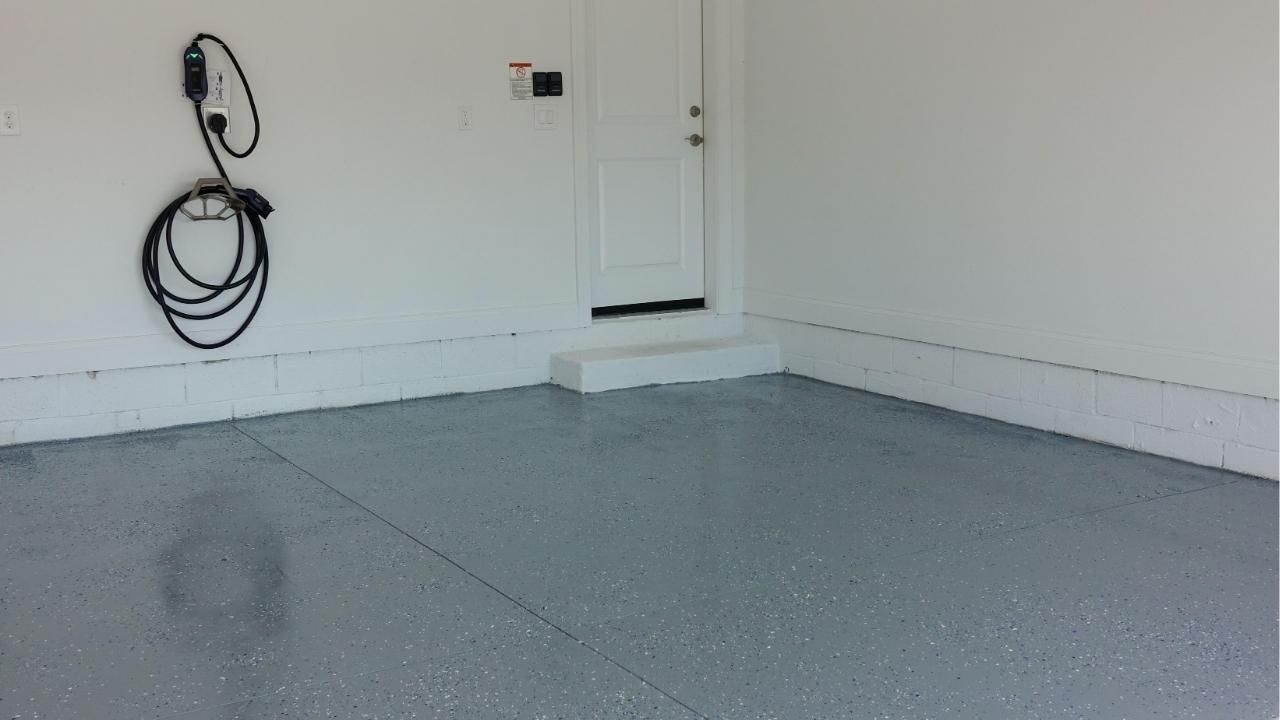
This often happens due to moisture intrusion, improper curing, or subpar materials. If you’re considering upgrades like epoxy floor installation in your garage, surface damage must be addressed first. Coatings won’t bond properly to failing concrete, and you’ll end up paying twice.
4. Pooling Water After Rain
Concrete should be slightly sloped to direct water away from your home. If you see standing water that lingers long after a storm or washdown, your slab may have settled unevenly.
Pooling water can:
- Weaken the concrete over time
- Increase slip hazards
- Accelerate cracking and erosion
In Arizona’s heat, rapid evaporation might hide the issue, but the damage continues underneath. Regrading or replacing sections of concrete can restore proper drainage and extend the life of your investment.
5. Rust Stains or Exposed Rebar
If you spot rust-colored stains bleeding through the surface, it could mean the steel reinforcement inside the concrete is corroding. That’s a structural issue, not a cosmetic one.
When rebar rusts, it expands. That expansion creates internal pressure, leading to cracking and breaking from the inside out. Once reinforcement is compromised, patch jobs are rarely enough. A professional inspection will determine whether targeted repair is possible or full replacement is safer.
A Quick Case Study: Small Crack, Big Consequences
A homeowner in Goodyear ignored a few widening driveway cracks for over a year. At first, they seemed harmless. But after a monsoon season, sections of the slab began to sink. Water had eroded the soil underneath, creating voids. By the time a contractor was called, lifting wasn’t an option. The entire driveway had to be removed and repoured. What could have been a minor repair turned into a major expense, simply because early warning signs were overlooked.
When to Repair vs. Replace
Here’s the honest truth: not every issue requires a full tear-out. But temporary fixes won’t solve structural problems.
Repair may work if:
- Cracks are isolated and stable
- Surface damage is shallow
- The base underneath is intact
Replacement is often necessary when:
- Multiple areas are sinking
- Structural reinforcement is failing
- Large sections show severe deterioration
An experienced contractor will give you a clear recommendation, not just a quick patch to buy time.
Concrete problems don’t fix themselves. They get worse, and they get expensive. If you’re seeing any of these signs, don’t wait until minor damage turns into a full reconstruction project.
Contact us and get a clear plan for repair or replacement before the next season hits.