5 Common Stamped Concrete Mistakes (and How to Avoid Them)
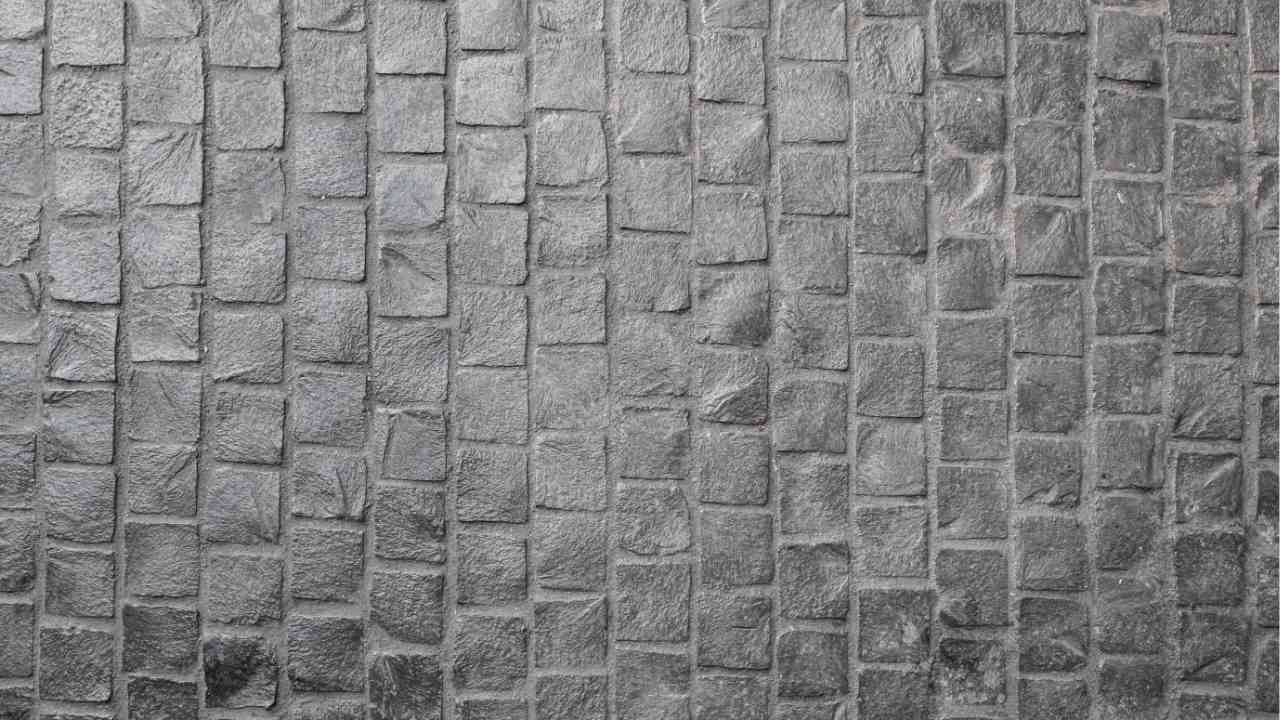
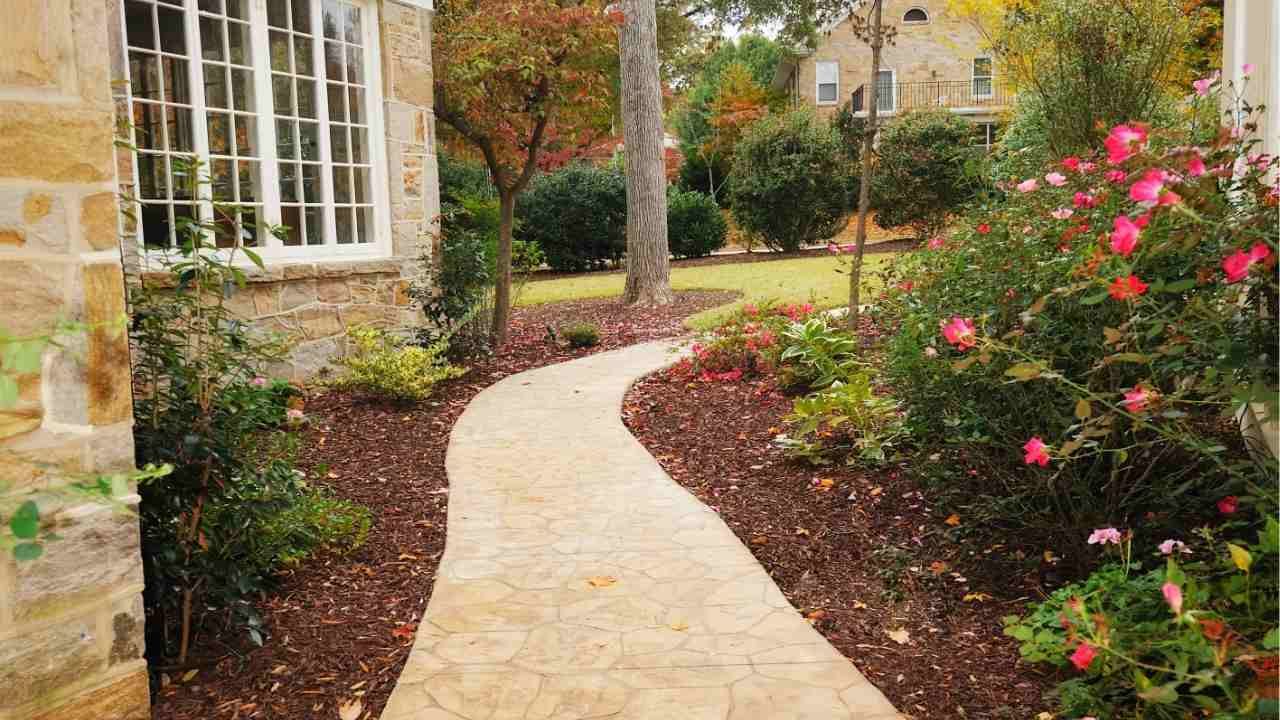
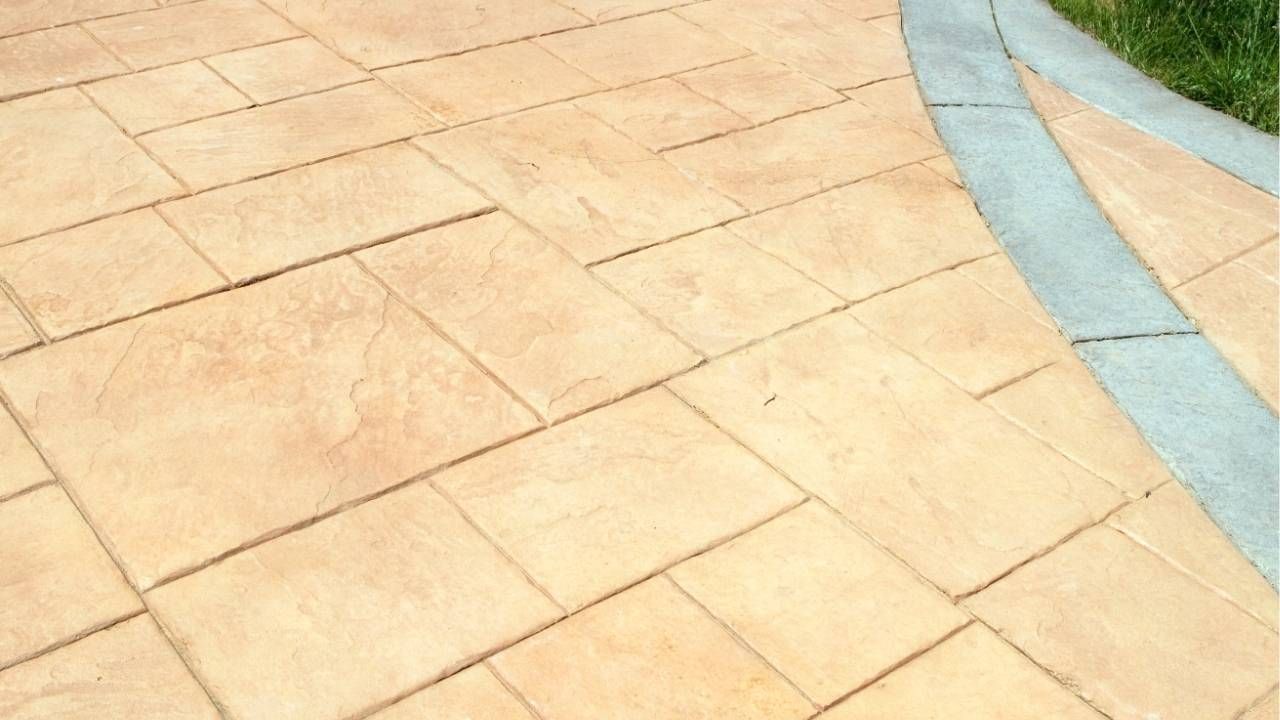
Stamped concrete can completely transform a plain outdoor surface into something stylish and eye-catching. Patios, driveways, and walkways suddenly take on the appearance of stone, brick, or tile, without the high cost of those materials. But when stamped concrete is done incorrectly, those beautiful designs can quickly turn into expensive problems.
In this article, you’ll learn about five of the most common stamped concrete mistakes homeowners make. More importantly, you’ll see how to avoid them so your investment lasts for years.
1. Poor Surface Preparation
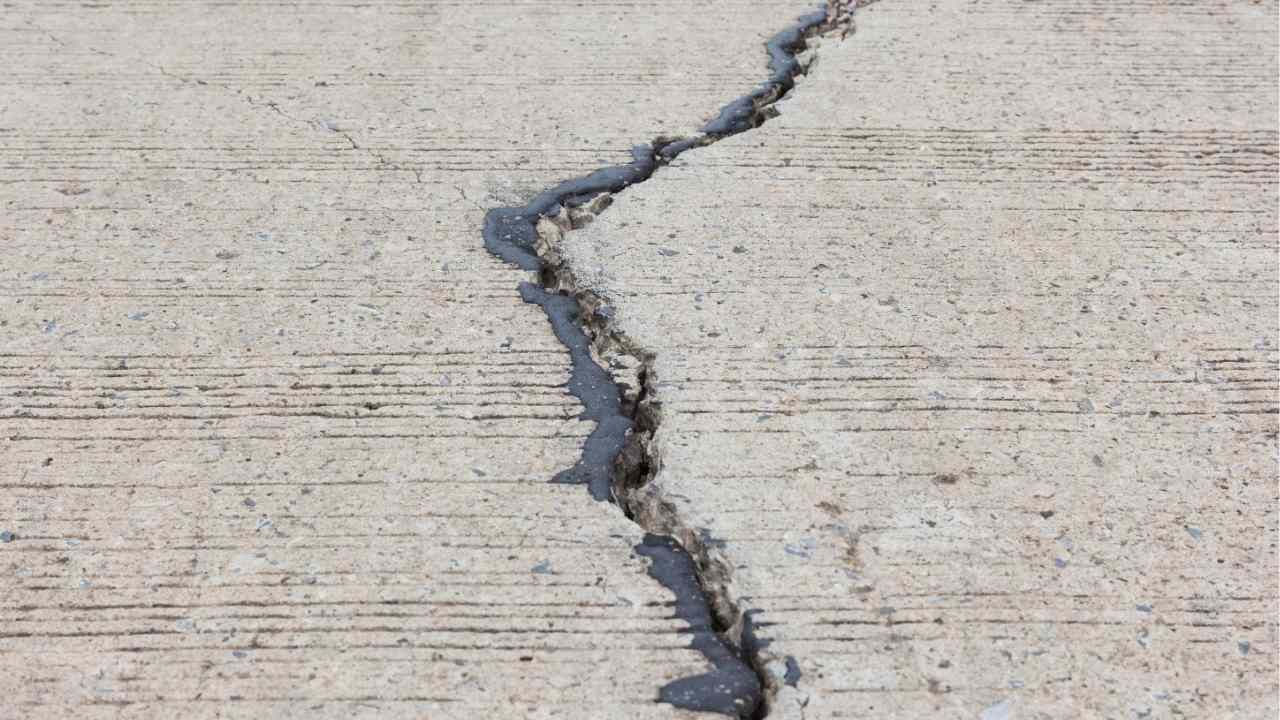
One of the biggest mistakes happens before the concrete is even poured. A weak or poorly prepared base can lead to cracks, uneven surfaces, and structural issues over time.
Proper preparation usually includes:
- Removing loose soil and debris
- Compacting the ground thoroughly
- Installing a solid gravel base for stability
A professional residential concrete contractor in Goodyear AZ understands that the durability of stamped concrete starts below the surface. Skipping this step may save time initially, but it almost always leads to costly repairs later.
2. Choosing the Wrong Concrete Mix
Stamped concrete requires a specific mix design to ensure it holds patterns clearly while maintaining strength. Using the wrong mix can result in patterns that fade, crumble, or fail to set properly.
Common issues caused by improper mixes include:
- Weak concrete that cracks prematurely
- Poor stamping definition
- Uneven curing and discoloration
A skilled Goodyear AZ stamped concrete contractor will carefully select the right mix based on the project type, weather conditions, and design requirements.
3. Incorrect Timing During the Stamping Process
Timing is everything when stamping concrete. If the contractor begins stamping too early, the pattern may sink or distort. If they wait too long, the concrete becomes too hard and the design won’t imprint properly.
Professional installers monitor several factors during the process:
- Temperature and humidity
- Concrete curing speed
- Surface firmness before stamping
Experienced crews know exactly when the concrete reaches the ideal consistency for stamping. This precision ensures crisp patterns and consistent texture across the entire surface.
4. Poor Coloring Techniques
Color is what gives stamped concrete its natural stone or brick appearance. Unfortunately, improper coloring techniques are one of the most noticeable mistakes.
Problems often occur when:
- Color hardeners are applied unevenly
- Release agents are misused
- Too much or too little pigment is added
When coloring is done incorrectly, the result can look blotchy, faded, or unnatural.
Working with a reliable concrete services provider ensures that color layers are applied correctly and sealed properly. This not only improves appearance but also protects the surface from weather damage and UV fading.
5. Skipping the Sealing Process
Sealing stamped concrete is not optional, it’s essential. Without a protective sealer, the surface becomes vulnerable to moisture, stains, fading, and wear.
A quality sealant offers several benefits:
- Protects the color from sun exposure
- Prevents water from penetrating the surface
- Enhances the depth and richness of the pattern
Many homeowners skip resealing after the initial installation. Experts typically recommend resealing stamped concrete every 2–3 years to maintain its durability and appearance.
Case Study: Fixing a Stamped Concrete Patio Gone Wrong
A homeowner installed a stamped concrete patio that initially looked beautiful but began showing problems within a year. Cracks appeared along the edges, and the color started fading unevenly. After inspection, professionals discovered the base had not been properly compacted and the surface was never sealed.
A restoration team cleaned the concrete, repaired cracks, applied color correction, and added a protective sealer. The patio regained its visual appeal and structural strength. This situation highlights how proper installation and maintenance can make a huge difference in the lifespan of stamped concrete.
Protect Your Investment with the Right Professionals
Stamped concrete can add beauty, value, and durability to your property when installed correctly. Avoiding common mistakes, like poor preparation, improper mixes, and skipping sealers can save you significant time and money in the long run.
If you're planning a stamped concrete project, the smartest move is to work with experienced professionals who understand the process from start to finish.
Contact a trusted local expert today to ensure your stamped concrete project is done right the first time.