What Causes Concrete Driveways to Crack in Arizona?
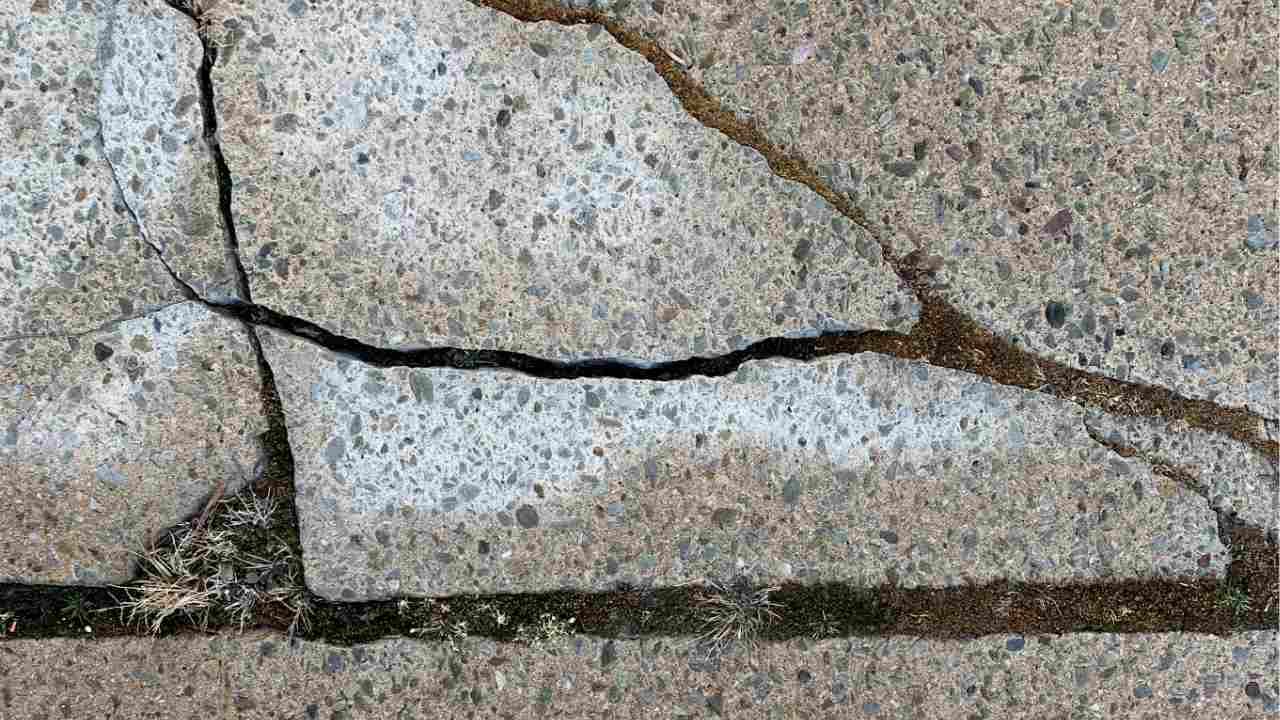
Arizona driveways live a harder life than most. Between brutal summer heat, dry soil, sudden monsoon rain, and daily vehicle weight, concrete has to fight constant stress from every direction. So when cracks appear, it usually is not because the driveway “just got old.” There is almost always a clear reason behind it.
In this article, you will learn the most common causes of driveway cracking in Arizona, why local conditions make the problem worse, and when it is time to call a professional.
1. Extreme Heat Makes Concrete Expand and Contract
Arizona heat is no joke. During summer, concrete driveways can absorb intense sunlight for hours, causing the surface to expand. Then, when temperatures drop at night, the concrete contracts again.
That daily movement may seem small, but over time, it creates internal pressure. If the concrete was not installed with proper control joints, the slab has nowhere to release that stress. Eventually, it cracks.
This is one reason homeowners often rely on a residential concrete contractor in Goodyear AZ who understands how desert temperatures affect concrete placement, spacing, and curing.
Control joints are not decorative lines. They are planned weak points that guide cracks into cleaner, less noticeable areas. Without them, cracks usually appear wherever the pressure wins.
2. Poor Soil Preparation Can Undermine the Slab
Concrete is only as strong as the ground beneath it. In Arizona, soil can be tricky because some areas have clay-heavy dirt, loose fill, or compacted desert ground that shifts when moisture levels change.
If the base is not properly graded and compacted before pouring, the slab may settle unevenly. One section drops slightly, another stays firm, and the concrete starts to bend. Since concrete is strong under compression but weak under tension, that bending often leads to cracking.
Good site preparation should include:
- Removing soft or unstable soil
- Compacting the base properly
- Adding gravel or aggregate when needed
- Creating drainage away from the driveway
- Checking for low spots before the pour
This is where professional residential concrete services in Goodyear AZ can make a real difference. A driveway that starts with a solid base has a much better chance of staying strong for years.
3. Fast Drying and Poor Curing Cause Weak Concrete
Concrete does not simply “dry.” It cures through a chemical process that needs time and moisture. In Arizona’s dry climate, water can evaporate too quickly from the surface, especially when concrete is poured during hot or windy weather.
When curing happens too fast, the surface may shrink before the slab gains enough strength. This can create hairline cracks, surface crazing, or deeper cracks later on.
Proper curing may involve misting, curing compounds, shade protection, or timing the pour for cooler parts of the day. Skilled concrete experts know that rushing the curing process is one of the fastest ways to create future problems.
The driveway might look finished after a day or two, but the concrete is still gaining strength underneath. Treating it too aggressively too soon can also cause damage.
4. Heavy Loads and Poor Drainage Add More Stress
Driveways are built for vehicles, but not all vehicle loads are equal. Large trucks, RVs, trailers, dumpsters, and construction equipment can place more weight on the slab than it was designed to handle.
If the concrete is too thin, lacks reinforcement, or sits on a weak base, heavy loads can create pressure cracks. These often appear near edges, tire paths, or areas where vehicles turn.
Water is another major issue. Arizona may be dry most of the year, but monsoon storms can dump a lot of rain quickly. If water pools near or under the driveway, it can wash out the base, soften soil, and create hollow spots beneath the slab.
Once the support underneath disappears, the concrete can crack under its own weight.
Short Case Study: A Goodyear Homeowner’s Cracked Driveway
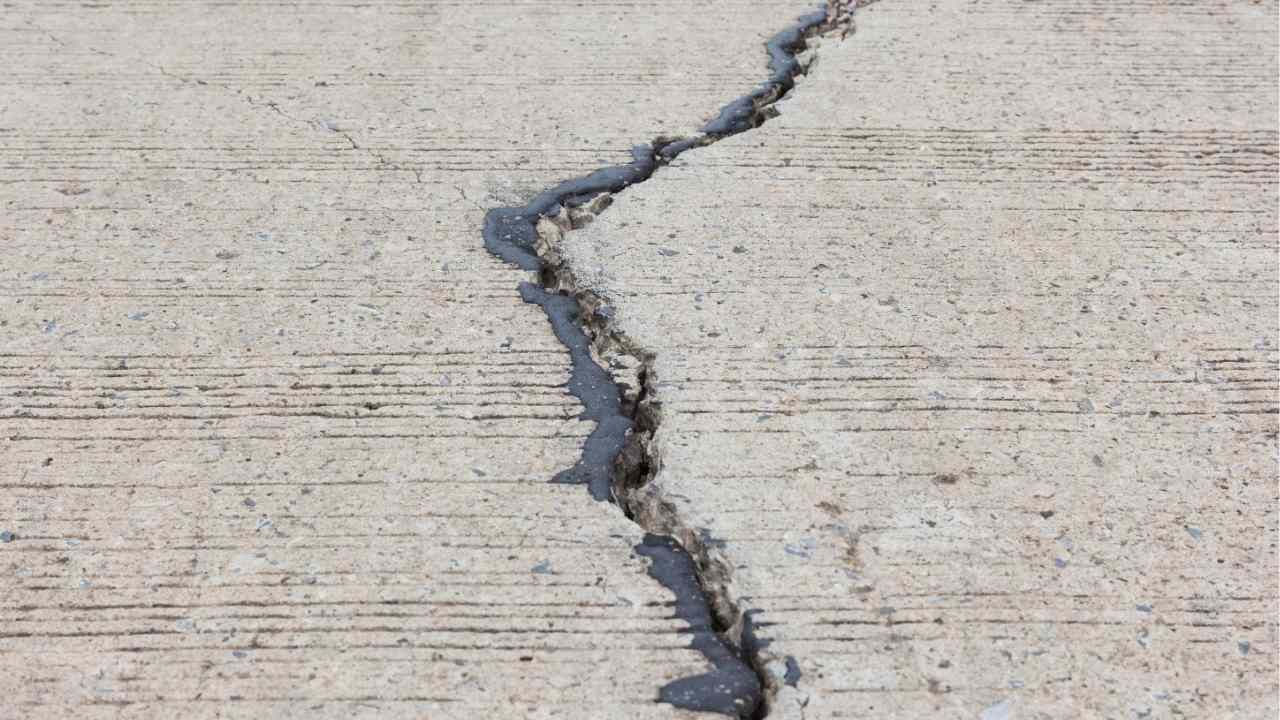
A homeowner in Goodyear noticed several long cracks across a five-year-old driveway. At first, they assumed the concrete was simply aging. After inspection, the real issue was poor drainage. Water from the roof and side yard was flowing toward the driveway during storms, then settling near the slab edge. Over time, the soil beneath one section softened and shifted. The repair involved redirecting drainage, stabilizing the base, and replacing the damaged section with better joint placement. The lesson was simple: fixing the crack alone would not have solved the real problem.
How to Reduce Future Driveway Cracking
You cannot stop concrete from moving completely. Some cracking is normal. But you can reduce serious damage with smart planning and maintenance.
Homeowners should:
- Seal the driveway when recommended
- Keep water draining away from the slab
- Avoid parking heavy equipment on thin concrete
- Repair small cracks before they spread
- Keep control joints clean and functional
- Hire experienced local concrete professionals
The biggest mistake is waiting until small cracks turn into major separation, sinking, or trip hazards.
Final Thoughts
Concrete driveways crack in Arizona because they face heat, soil movement, fast evaporation, drainage problems, and heavy use. The good news is that most serious cracking can be reduced with proper installation and early maintenance.
Before replacing or repairing your driveway, get a professional evaluation so you know whether the issue is cosmetic, structural, or caused by something underneath the slab.
Schedule a driveway inspection with a trusted local concrete professional before small cracks become expensive repairs.