DIY or Hire a Pro? What to Know Before Staining Concrete at Home

If you’ve been staring at your dull patio or garage floor thinking it needs an upgrade, staining concrete might sound like an easy weekend win. But here’s the truth: while it can be a DIY project, it’s not as simple as brushing on a coat of paint. Whether you’re working with residential concrete in Goodyear AZ provider or anywhere else, knowing what you’re getting into saves you time, frustration, and money.
In this guide, you’ll learn what DIY staining really involves, when it makes sense to call a pro like Intricate Concrete, and how to avoid the biggest mistakes homeowners make.
Understanding the Basics of Concrete Staining
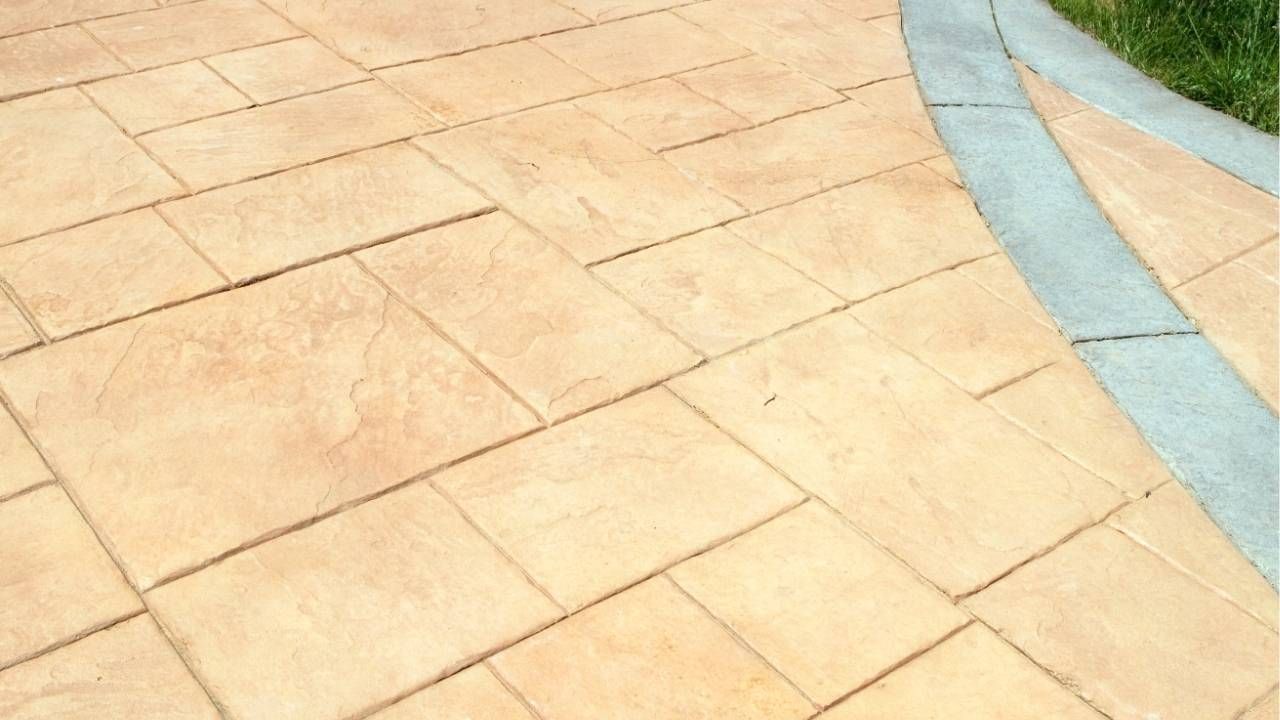
Concrete stain works by penetrating the surface, creating permanent color that won’t peel like paint. It gives your floors that rich, stone-like look people love—but only if the concrete is prepped properly.
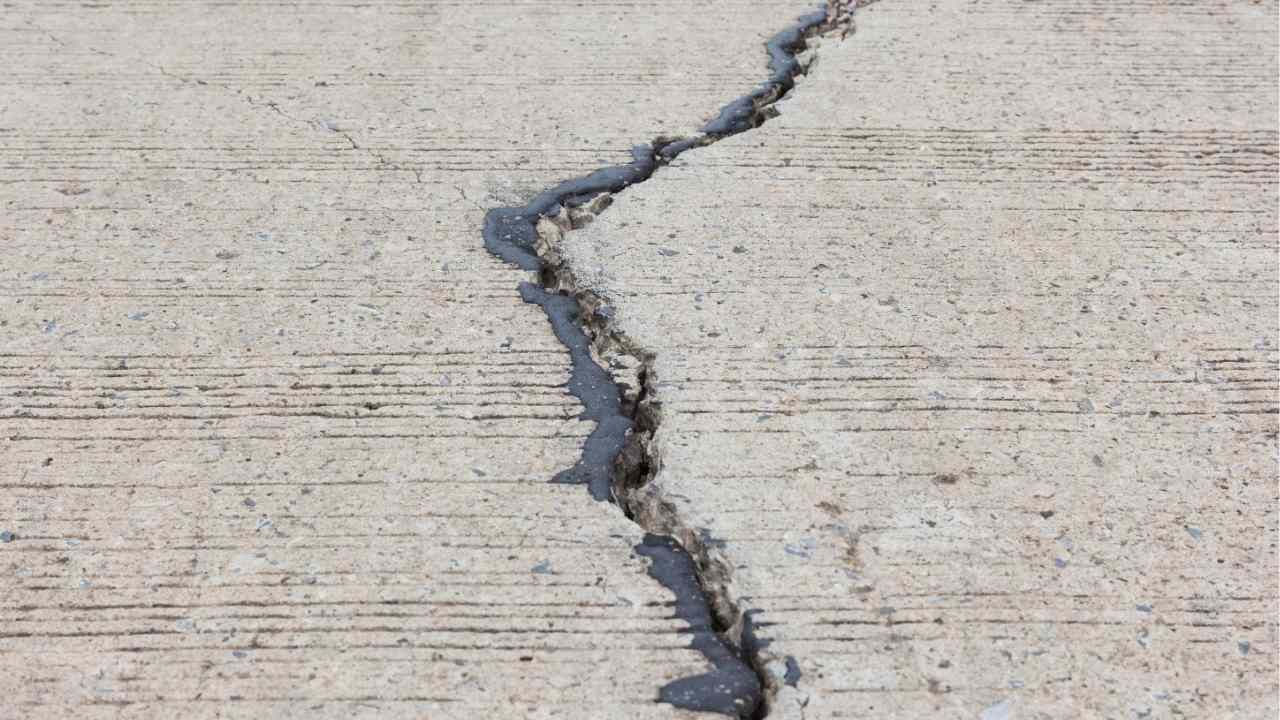
Here’s the part most DIYers underestimate: stained concrete highlights flaws. That means cracks, oil stains, tire marks, and old sealers will show through unless you fix them first.
Before you choose DIY, ask yourself:
- Is the concrete free of coatings or adhesives?
- Are you comfortable repairing cracks and patching holes?
- Do you know how to test for moisture?
- Do you have the tools for cleaning, etching, staining, and sealing?
If any of these give you pause, you may want backup.
What DIY Staining Really Looks Like
DIY is possible—but it’s not quick. The process takes several steps, and skipping even one can ruin the finish.
Here’s the full breakdown:
- Deep cleaning
Degreasing, power washing, and removing anything sitting on the surface. - Surface prep
This might involve grinding, acid etching, or applying a heavy-duty cleaner to open pores for the stain. - Repairing cracks
You’ll need patching compounds that blend well; mismatched repairs will show through. - Applying the stain
Acid or water-based stains require careful, even application. Uneven spray patterns or puddling lead to blotches. - Neutralizing (for acid stains)
If you’re using acid stain, you must neutralize the chemical reaction before sealing. - Sealing
Without sealer, your color will fade fast. This step protects the concrete and adds that professional finish.
Most homeowners don’t realize the drying time alone can stretch the project over multiple days.
When Hiring a Professional Makes More Sense
A professional concrete service provider brings not just equipment but years of experience working with different concrete conditions. This matters when your slab has issues you can’t see—like moisture, previous coatings, or uneven porosity that leads to patchy results.
Hire a pro when:
- You want a specific color pattern (like marbling or mottling)
- Your concrete is older or heavily stained
- You need grinding or resurfacing before staining
- You want the job done in one visit instead of a full weekend
- You’re worried about damaging nearby landscaping or walls
Pros also use commercial-grade stains and sealers that last longer than what you’ll find at big-box stores. A company like Intricate Concrete can deliver a smooth, even finish that’s hard to replicate on your own.
Case Study: When DIY Went Sideways
A homeowner wanted to refresh their faded patio and decided to stain it themselves. They power-washed the surface but didn’t realize a previous sealer was still embedded in the concrete. After applying the stain, half the patio absorbed color beautifully while the rest turned a pale, blotchy brown. A professional had to come in, grind the entire slab, and re-stain it—doubling the cost of the project. The lesson? Prep determines everything, and pros spot issues the average DIYer can’t.
Final Thoughts
If you love hands-on projects and your concrete is in great shape, staining can be a satisfying DIY. But if you want predictable, long-lasting results, hiring a pro is the smarter move.
Ready for a flawless concrete transformation? Let a specialist handle the hard parts so you get stunning results without the stress.
Contact us to get started.