
How Long Does Stamped Concrete Last? Expectations vs. Reality

Stamped concrete has a reputation for being tough, attractive, and surprisingly low-maintenance. Homeowners love it because it mimics expensive materials without the high price tag. But here’s the real question people care about: How long does stamped concrete actually last? A Goodyear AZ concrete company might tell you one thing, while online reviews say another. Let’s break it down so you know what’s hype—and what’s true.
You’ll also see how Intricate Concrete and other local concrete experts set realistic expectations for long-term performance, especially in areas with heavy sun exposure. By the end, you’ll know exactly what helps stamped concrete last decades—and what mistakes shorten its lifespan fast.
Stamped Concrete Lifespan: The Expectation
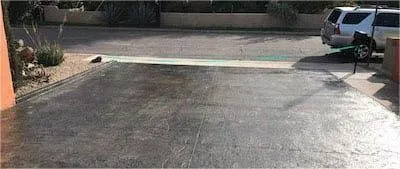
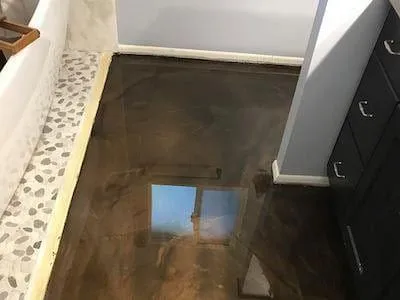
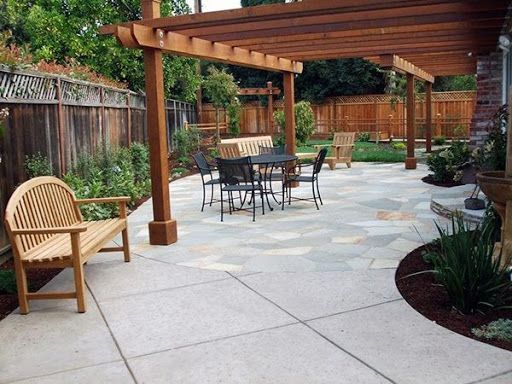
Most homeowners expect stamped concrete to last forever because of how solid it looks. And honestly? That’s not far off. When installed correctly, stamped concrete can last 25 to 40 years, sometimes even more. This is similar to traditional concrete but with a decorative finish that elevates your outdoor space.
People choose stamped concrete for patios, pool decks, driveways, and walkways because:
- It looks like stone, slate, brick, or wood
- It handles weather changes well
- It’s easier to maintain than pavers
- It’s strong enough for heavy foot traffic
The expectation is simple: install it once, enjoy it for decades. But reality adds a few conditions to that promise.
Reality Check: What Actually Affects Durability
The truth is that stamped concrete lasts a long time, but only when certain factors line up. Its durability depends on craftsmanship, climate, and maintenance. Skip one, and the lifespan shrinks.
1. Installation Quality
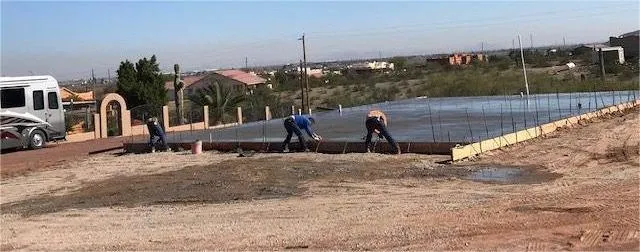
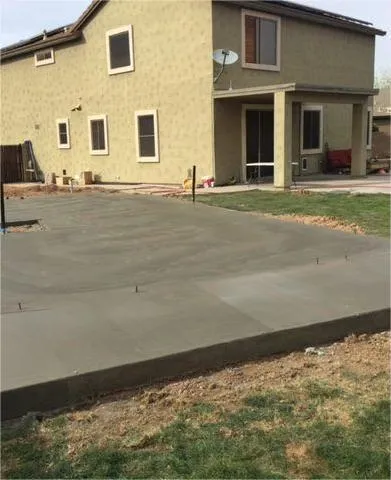
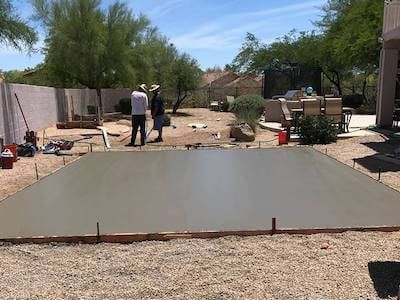
Stamped concrete is only as strong as the base beneath it. A poor sub-base or uneven compaction leads to cracking later on. Coloring, stamping, and sealing techniques must also be done correctly. This is where experienced installers matter—they know how to prevent premature surface wear.
2. Sun and Weather Exposure
Hot regions demand tougher sealers and more frequent maintenance. UV rays can fade the color, while freeze-thaw cycles can open small cracks. Thankfully, stamped concrete handles these challenges better than most decorative surfaces.
3. Sealer Maintenance
The sealer is what protects your stamped concrete from:
- Moisture
- Oil and chemical stains
- Abrasion
- Color fading
Most homeowners don’t realize that sealers don’t last forever. They need reapplication every 2 to 4 years, depending on foot traffic and weather conditions. Skipping this step is one of the biggest reasons stamped concrete doesn’t hit its full lifespan potential.
Case Study: A Patio That Survived 18 Years Before Its First Major Touch-Up
A homeowner installed a stamped concrete patio nearly two decades ago. The installer used a thick base, high-quality color hardener, and a strong sealer. Over the years, the owner resealed it three times and pressure-washed it once annually. By year 18, the surface still looked strong, with only mild fading. A fresh seal revived the color, and the patio is on track to reach 30+ years of life. This case proves one thing: good installation + light maintenance = longevity.
How to Make Your Stamped Concrete Last as Long as Possible
If you want to maximize your investment, stick to these simple habits:
- Reseal routinely
- Avoid harsh de-icing chemicals
- Clean up oil or chemical spills quickly
- Keep heavy vehicles off decorative areas
- Address cracks early before they spread
Following these steps helps stamped concrete stay beautiful and structurally sound for decades.
The Bottom Line: Expectations vs. Reality
Your expectations should be high—but realistic. Stamped concrete absolutely can last 25–40 years, but only if installed well and maintained properly. It’s durable, cost-effective, and visually impressive, but not maintenance-free. Think of it as a long-term investment that pays off when you care for it.
If you treat stamped concrete right, it will outlive many other decorative surfaces—and look great doing it. To learn more, contact us.