Is Stamped Concrete Slippery? What Homeowners Should Know
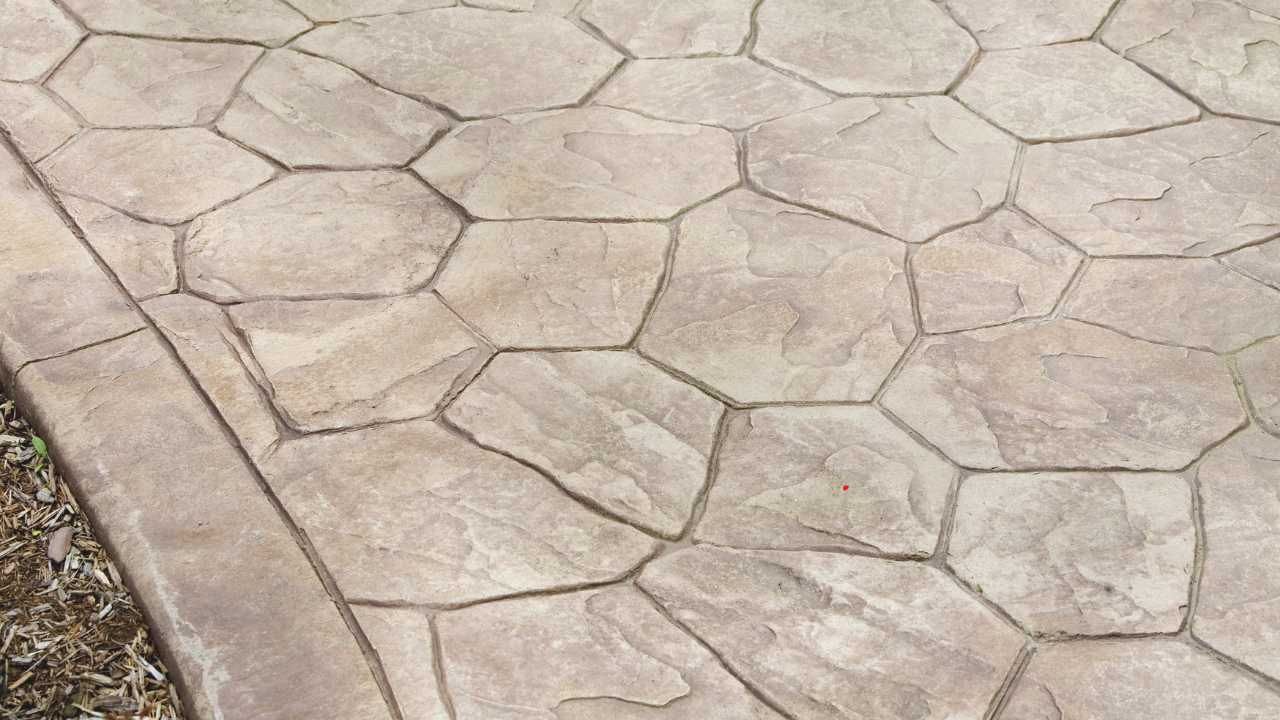
Stamped concrete looks amazing—no question about it. But the moment homeowners start thinking about installing it, one concern almost always pops up: Is it slippery? The short answer is yes, it can be, but only if it’s installed or maintained the wrong way. The good news? You can easily avoid that problem with the right choices and the right residential concrete contractor in Goodyear AZ guiding the project.
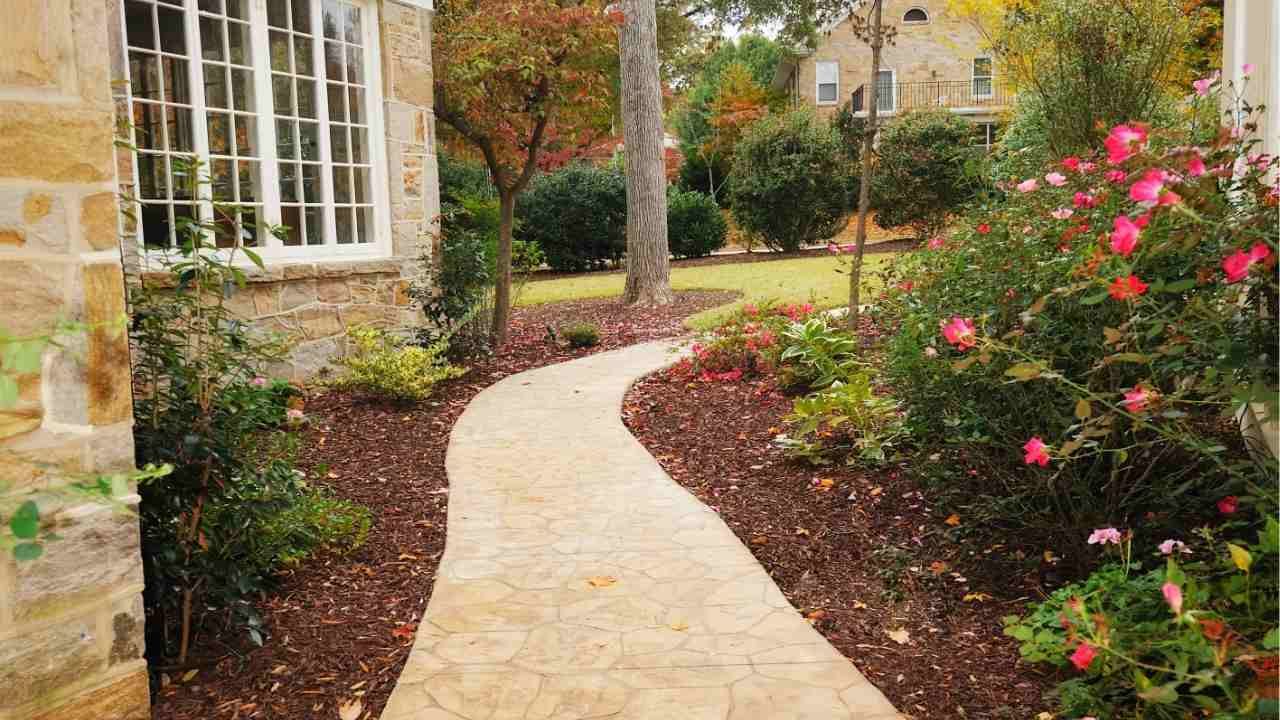
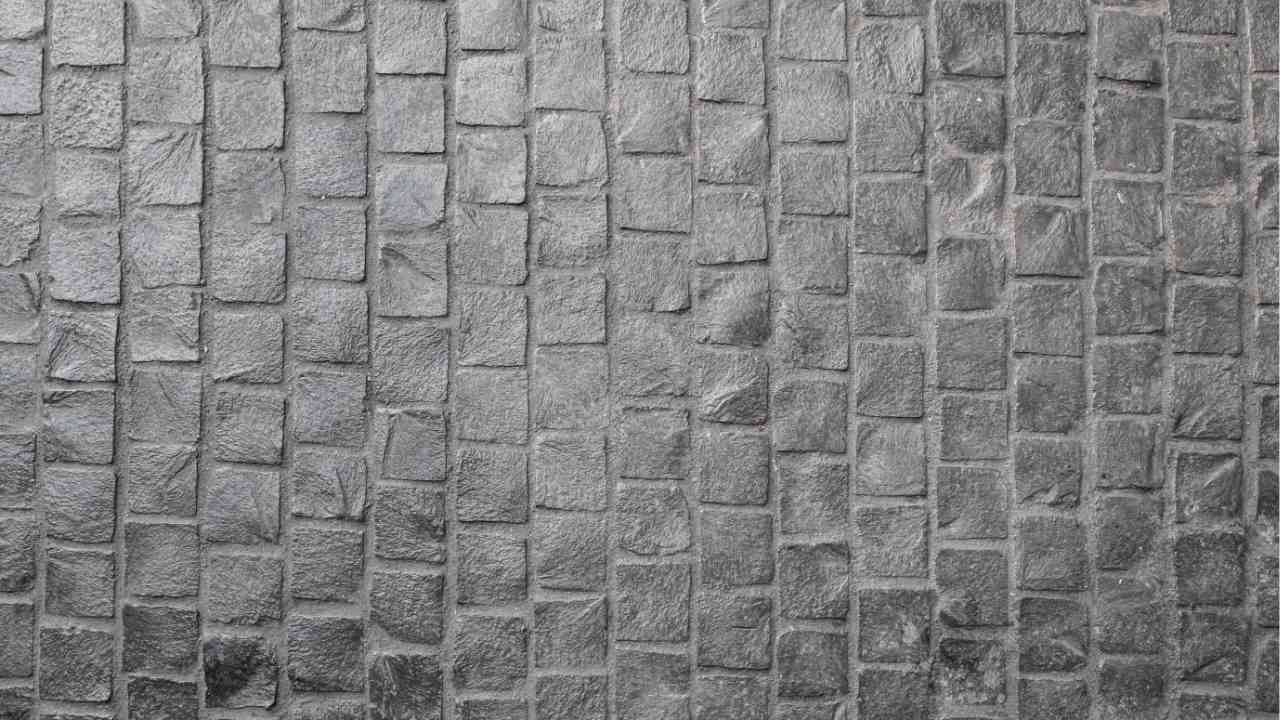
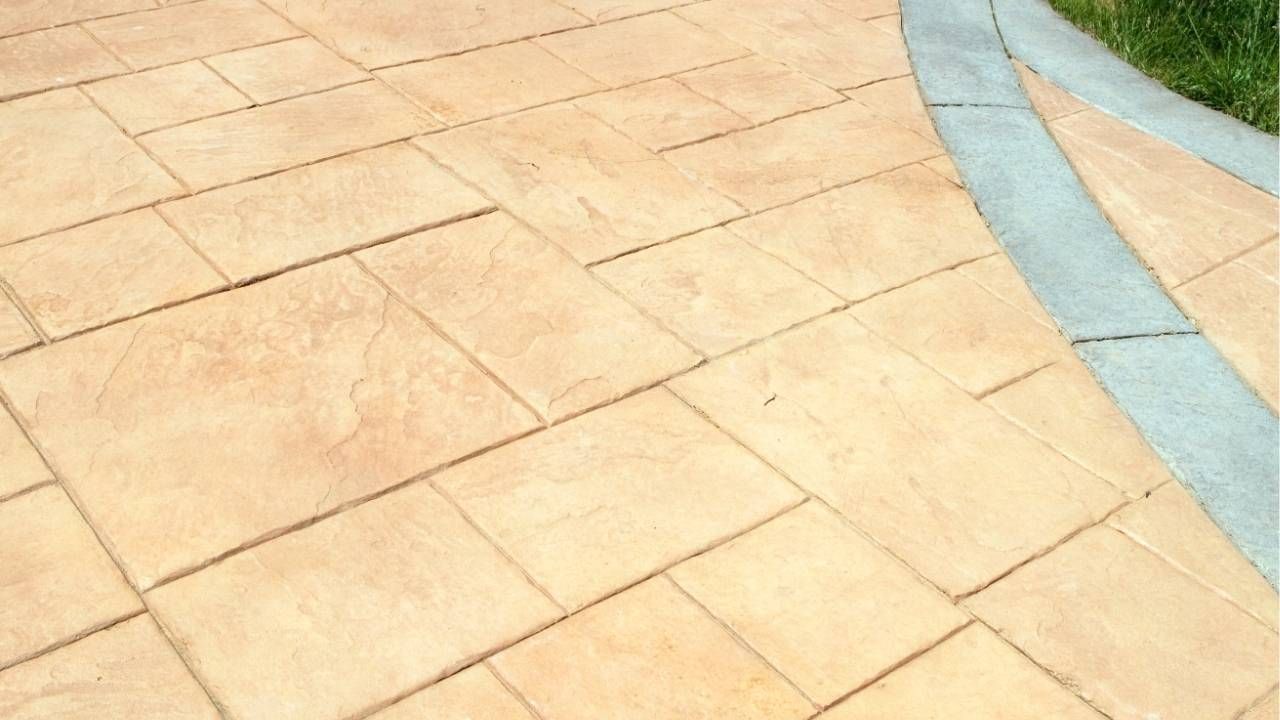
Stamped concrete has become a top pick for patios, walkways, and pool decks because it mimics the look of stone, brick, or wood without the extra cost or maintenance. Companies like Intricate Concrete create these detailed textures by pressing patterns into freshly poured concrete, giving homeowners a beautiful, durable surface that lasts years. And when you work with a reliable concrete service provider, slipping hazards drop significantly.
Below, we’ll walk through why stamped concrete gets slippery, how to prevent it, and what finishes work best—so you can enjoy the look you love without worrying about safety.
Why Stamped Concrete Gets Slippery in the First Place
Most of the slipperiness comes down to sealers. These protective coatings sit on top of the stamped surface and give it that clean, glossy finish. But that sheen introduces a problem: it reduces traction.
Here’s why it happens:
- Glossy sealers create a smoother feel
- Water pooling makes that glossy layer even slicker
- Flat or worn-down texture reduces grip
- Improper installation (wrong sealer or too much of it) magnifies the issue
Stamped concrete itself isn’t naturally slippery. The patterning actually helps with traction. It's the incorrect sealing practices that create the risk.
How to Make Stamped Concrete Safe and Slip-Resistant
You’re not stuck choosing between safety and style. With the right approach, you can have both.
Here are the most effective ways to keep traction strong:
1. Add a Non-Slip Additive to the Sealer
This is the simplest and most popular fix. Installers mix fine additives—usually made of polymer grit or aluminum oxide—into the sealer. This gives the surface a subtle texture you can’t even see, but you can definitely feel.
2. Choose a Matte or Low-Gloss Sealer
High-gloss finishes look amazing but come with the biggest slipping risk. Switching to a matte or satin finish keeps everything looking sharp while giving you better traction.
3. Keep It Clean and Dry
Dirt, mold, and algae make any outdoor surface slick. Routine cleaning goes a long way toward preventing accidents, especially on shaded patios or pool decks.
4. Reapply Sealer the Right Way
Stamped concrete needs resealing every 2–3 years. Over-sealing, however, is one of the biggest causes of slipperiness. A pro can strip off old layers and apply the right amount—which makes a huge difference.
Best Places to Use Stamped Concrete Without Worry
Stamped concrete works well almost anywhere as long as it's installed and maintained properly. These areas tend to stay safe with good traction:
- Driveways
- Entryways
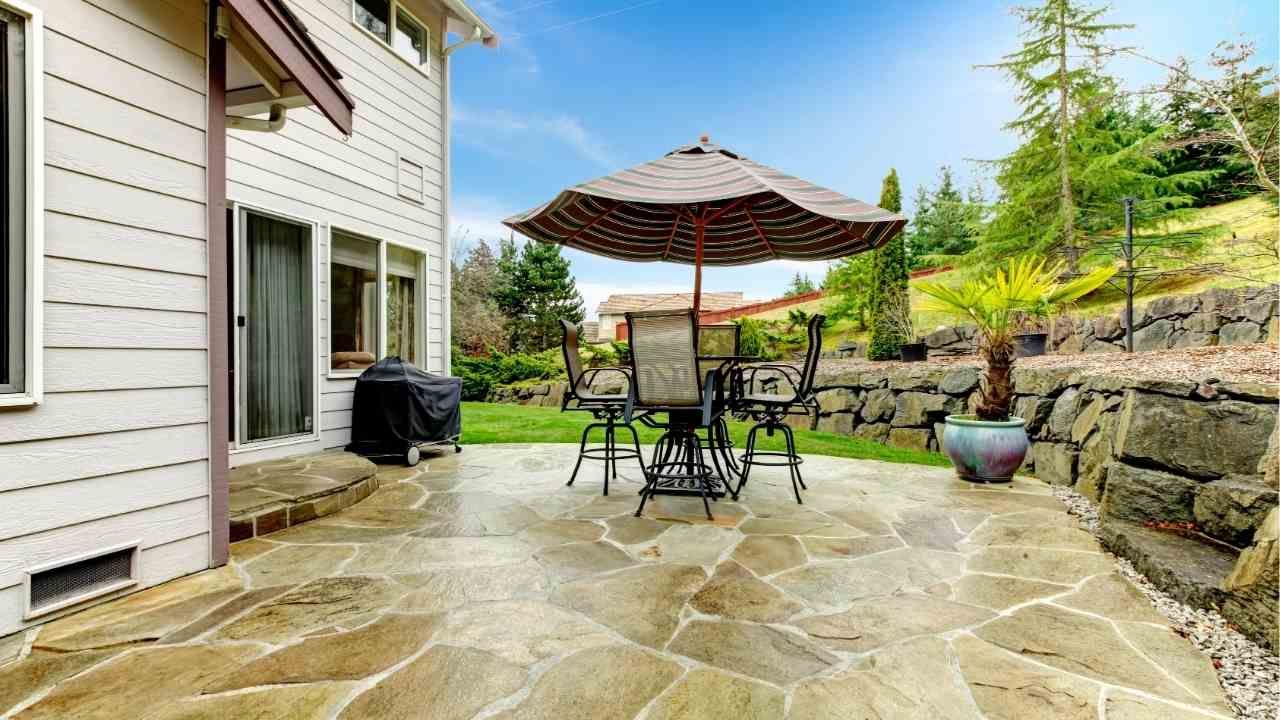
- Patios
- Courtyards
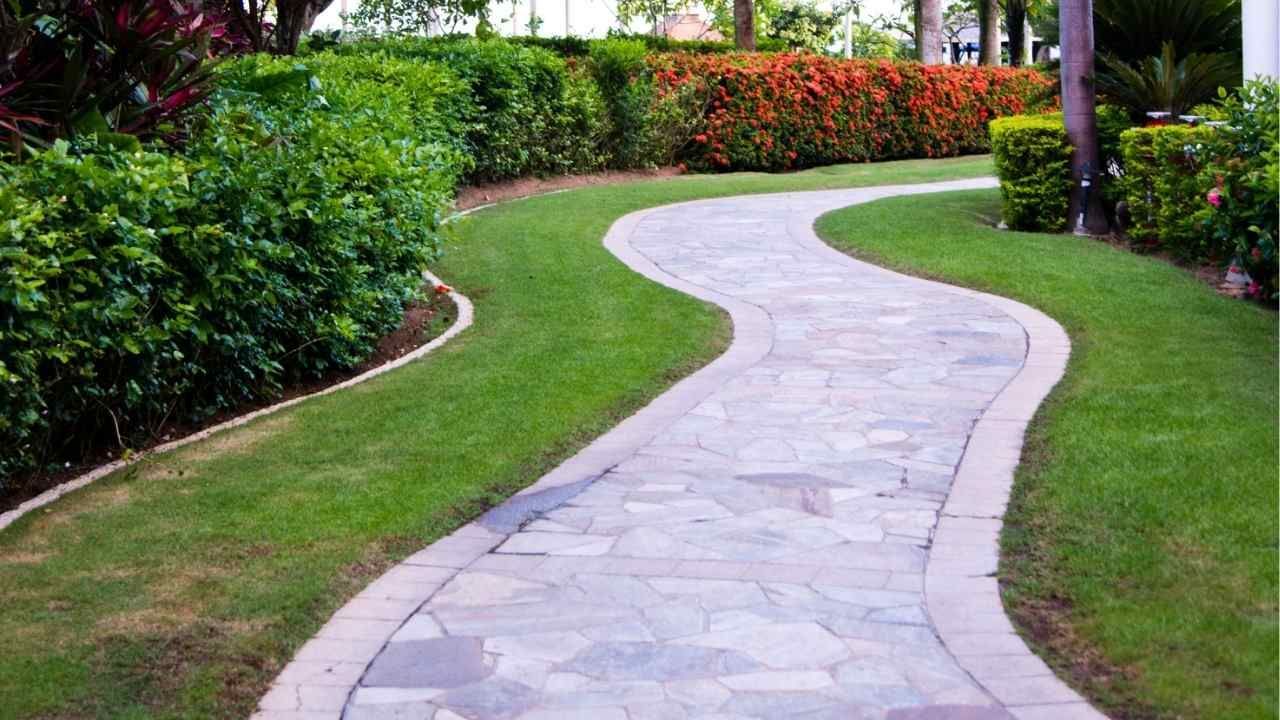
- Walkways
The one place you need to be extra cautious? Pool decks. Water plus glossy sealers equals problems. If you want stamped concrete next to a pool, non-slip additives are a must.
A Quick Case Study
A homeowner in Phoenix installed stamped concrete around their backyard patio. After their first monsoon season, the surface turned slick because the previous contractor used a high-gloss sealer with no additives. They brought in a specialist who stripped the old sealer, cleaned the surface, and applied a matte sealer with a fine-grit additive. The results? The patio kept its rich color and definition, and the slippery feel disappeared completely. The homeowners now host gatherings without worrying about anyone slipping when the concrete gets wet.
Final Thoughts
Stamped concrete can be slippery, but only when the wrong materials or techniques are used. With proper sealing, good maintenance, and the right traction additives, you can enjoy a beautiful surface that’s just as safe as it is stylish. If you’re planning a stamped concrete project, make sure you ask about slip-resistant options from the start.
Ready to upgrade your outdoor space? Reach out to a concrete pro who knows how to balance beauty and safety.