What Causes Concrete Spalling and How to Fix It
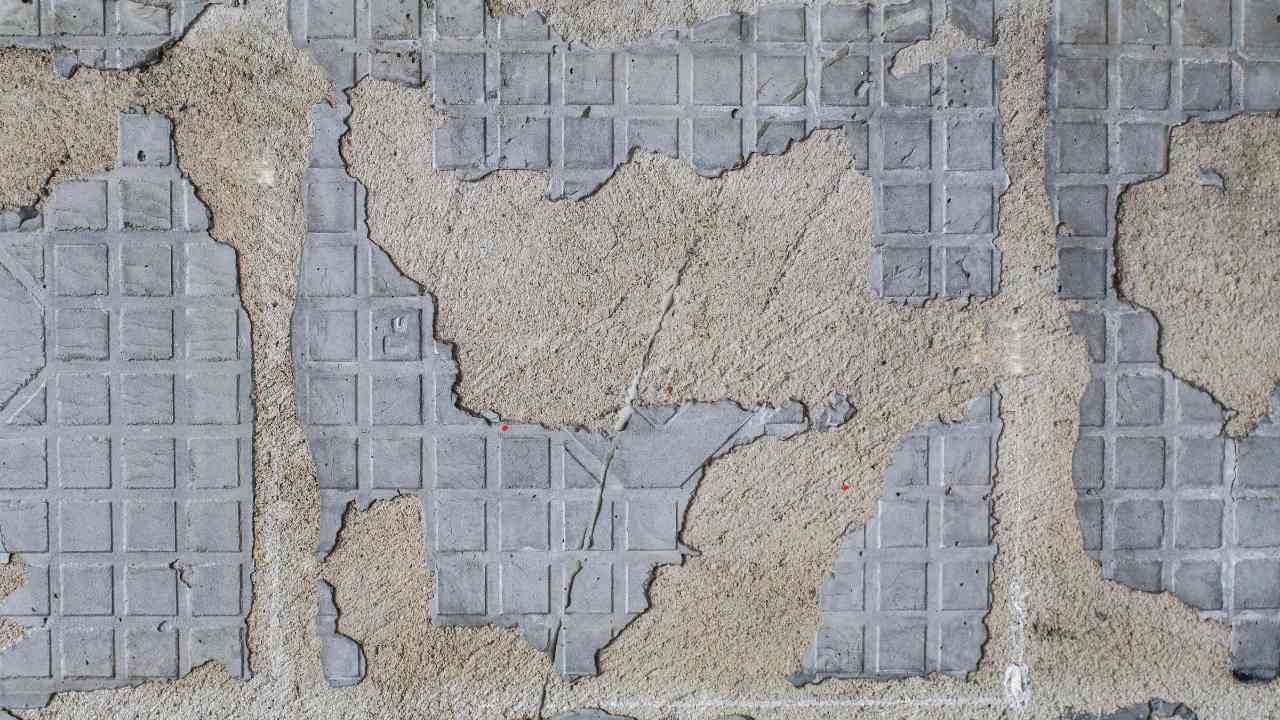
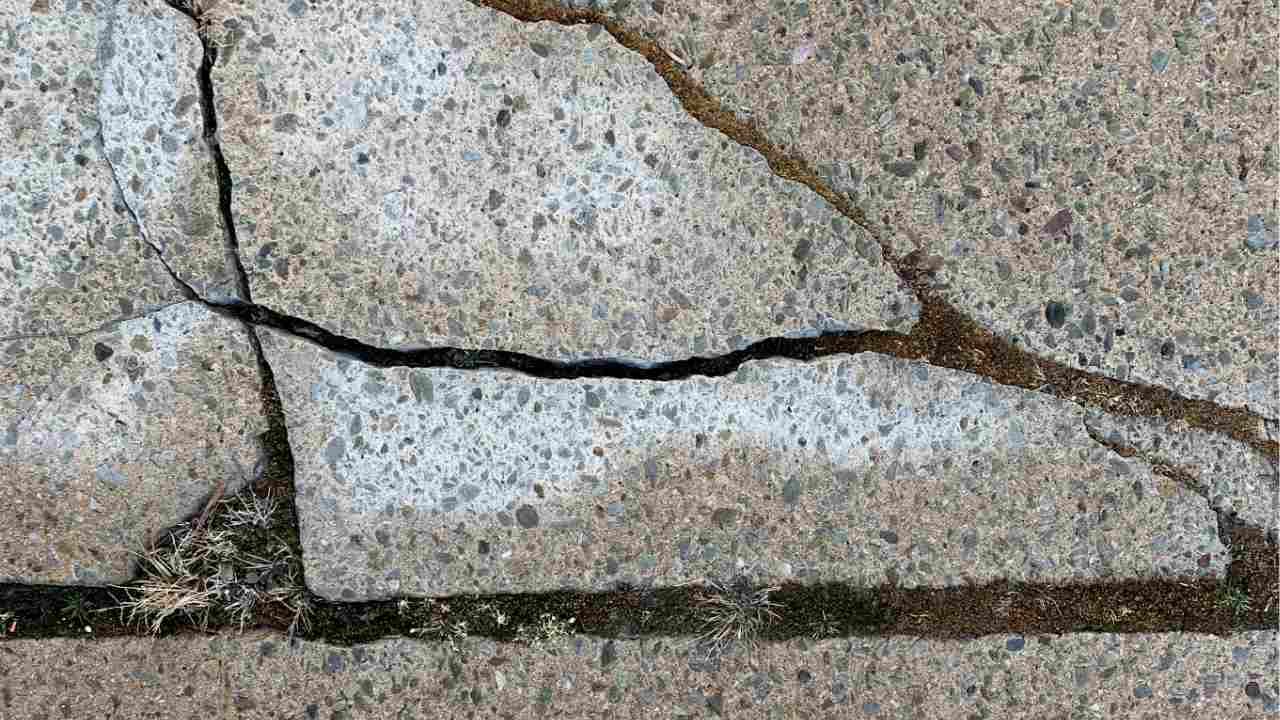
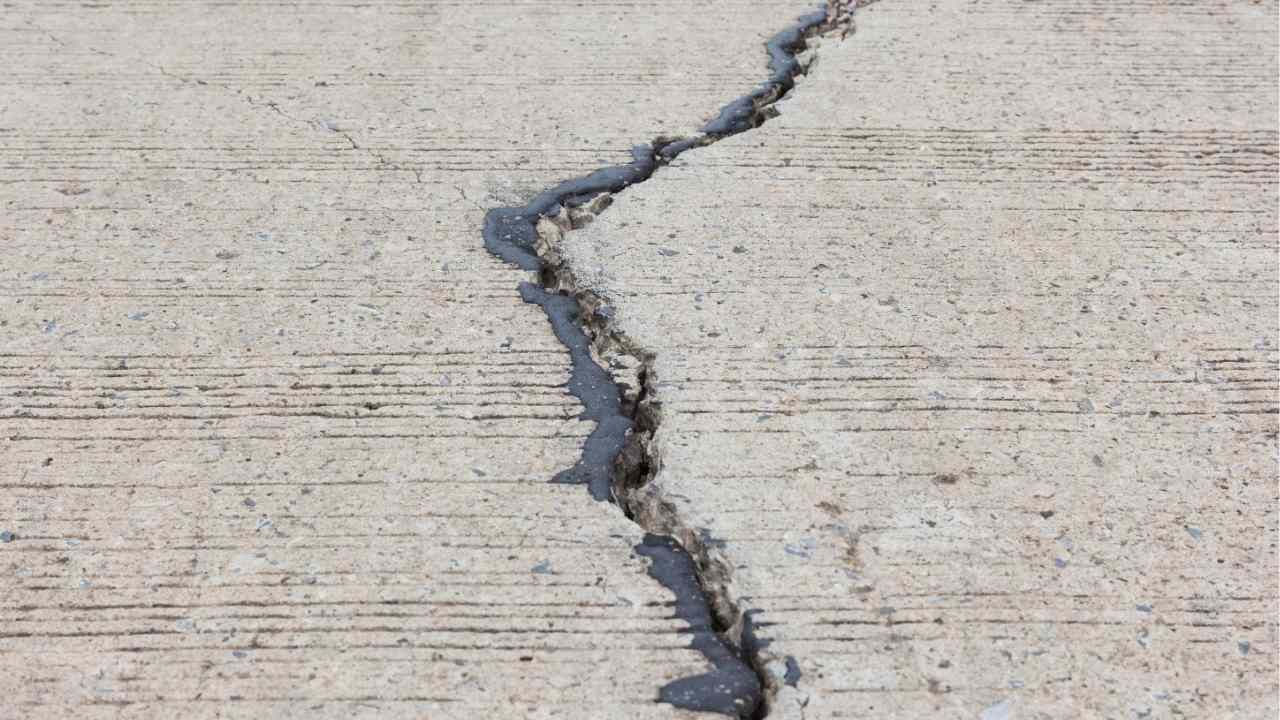
Concrete is one of the most durable building materials, but even it isn’t immune to wear and tear. One of the most common issues homeowners and property managers face is concrete spalling—a condition where the surface of the concrete chips, flakes, or crumbles away. Left untreated, spalling can lead to structural damage, safety hazards, and costly repairs.
So, what causes concrete spalling, and how can you fix it? Let’s dive into the key reasons behind this problem and the best ways to restore your concrete surfaces.
What Causes Concrete Spalling?
Concrete spalling can occur for several reasons, but the most common culprits include:
1. Freeze-Thaw Cycles
In colder climates, concrete absorbs moisture. When temperatures drop, the trapped water freezes and expands, exerting pressure on the concrete’s surface. This repeated freeze-thaw cycle eventually causes the top layer to crack and flake off.
2. Poor Installation and Curing
Improper concrete mixing, insufficient curing time, or using too much water in the mix can weaken the surface. If the concrete isn’t finished correctly, it becomes more porous and susceptible to spalling over time.
3. Corrosion of Reinforcement Bars (Rebar)
When moisture and chemicals, such as road salts or de-icing agents, seep into the concrete, they can corrode the steel reinforcement bars inside. As the steel rusts, it expands, putting pressure on the surrounding concrete and causing it to crack and break apart.
4. Chemical Exposure
Concrete surfaces that are frequently exposed to harsh chemicals—like industrial cleaners, salt, or even certain fertilizers—can deteriorate faster than expected. These substances break down the concrete’s protective layer, making it more vulnerable to spalling.
5. Heavy Loads and Impact Damage
Driveways, patios, and walkways endure constant pressure from vehicles, foot traffic, and shifting soil. Over time, excessive weight and impact can weaken the concrete’s surface, leading to cracks and spalling.
How to Fix Concrete Spalling
The good news is that concrete spalling can be repaired, and in many cases, you don’t need to replace the entire slab. Here’s how to fix it:
1. Assess the Damage
Before jumping into repairs, evaluate the extent of the spalling. If the damage is superficial (less than 1/4 inch deep), a simple resurfacing solution should work. However, if the concrete is deeply cracked or the rebar is exposed, you may need more extensive repairs.
2. Clean the Surface
Start by thoroughly cleaning the affected area. Use a pressure washer or wire brush to remove loose debris, dirt, and crumbling concrete. If chemicals or salts caused the damage, neutralize the area with water and a mild detergent before proceeding.
3. Apply a Resurfacing Compound
For minor spalling, a concrete resurfacer can restore the surface. These compounds are designed to bond with existing concrete and create a smooth, durable finish. Simply mix the resurfacer according to the manufacturer’s instructions, spread it evenly over the damaged area, and smooth it with a trowel.
4. Repair Deep Damage
If the spalling is severe and the underlying structure is compromised, you’ll need a stronger approach. First, remove any loose concrete around the affected area, then apply a bonding agent to help the new concrete adhere. Next, fill the hole with a patching compound or a fresh concrete mix and level it off.
5. Seal and Protect
Once the repairs are complete, apply a concrete sealer to prevent future spalling. A high-quality sealer will protect against moisture, chemicals, and freeze-thaw damage, extending the life of your concrete.
Case Studies: Successful Concrete Spalling Repairs
Many homeowners and businesses have effectively restored their concrete surfaces with professional repairs and preventive maintenance.
In Denver, CO, a homeowner noticed spalling on their driveway due to repeated freeze-thaw cycles. After consulting a concrete specialist, they opted for a resurfacing treatment with a protective sealant. The result? A smooth, durable driveway that withstood harsh winters without further damage.
Meanwhile, a commercial property in Phoenix, AZ dealt with deep concrete spalling in a parking lot, exposing the rebar. The repair team removed the damaged sections, treated the corroded steel, and applied a high-strength patching compound. This extended the parking lot’s lifespan and improved safety for customers.
These real-life cases highlight how proper repairs and preventive measures can restore concrete surfaces and prevent costly replacements.
Preventing Future Concrete Spalling
While fixing spalling is essential, preventing it from happening again can save you time and money in the long run. Here are a few key strategies:
- Use Air-Entrained Concrete – If you’re installing new concrete, choose a mix with air-entraining agents to help resist freeze-thaw damage.
- Apply a Sealant Regularly – Sealing your concrete every few years protects it from water, salt, and chemicals.
- Avoid Using De-Icing Salts – Instead of salt, use sand or other non-corrosive alternatives to improve traction in winter.
- Ensure Proper Drainage – Prevent standing water around your concrete by improving drainage with slopes, gutters, or French drains.
When to Call a Professional
If your concrete is extensively damaged or the rebar is corroded, it’s best to consult a professional. Companies like Intricate Concrete specialize in high-quality concrete restoration and can assess whether repairs or replacement is the best option. If you’re searching for concrete repair near me, working with experienced professionals ensures the job is done right. For homeowners looking to maintain their driveways, patios, or sidewalks, hiring a company that offers residential concrete services can be a worthwhile investment.
Final Thoughts
Concrete spalling is a common issue, but with the right approach, it’s entirely fixable. Whether you choose to resurface, patch, or replace damaged sections, taking preventive steps will help keep your concrete in top condition for years to come. If in doubt, don’t hesitate to reach out to a professional for expert guidance and high-quality repairs.