
Concrete Driveway Thickness: Why It Matters for Durability

Annabelle Barrios • November 14, 2025
concrete thickness

A cracked or uneven driveway doesn’t just look bad—it’s a costly headache waiting to happen. One of the most overlooked factors behind driveway longevity is thickness. Homeowners often assume all concrete slabs are created equal, but that’s far from the truth. The right thickness can mean the difference between a driveway that lasts decades and one that fails in just a few years.


In this post, we’ll break down why thickness is so critical, how to determine the right depth for your property, and what to expect from experienced installers who know their craft—like a trusted Goodyear AZ concrete company such as Intricate Concrete. By the end, you’ll understand exactly what makes a concrete driveway stand strong against time, weather, and weight.


The Foundation of Driveway Strength


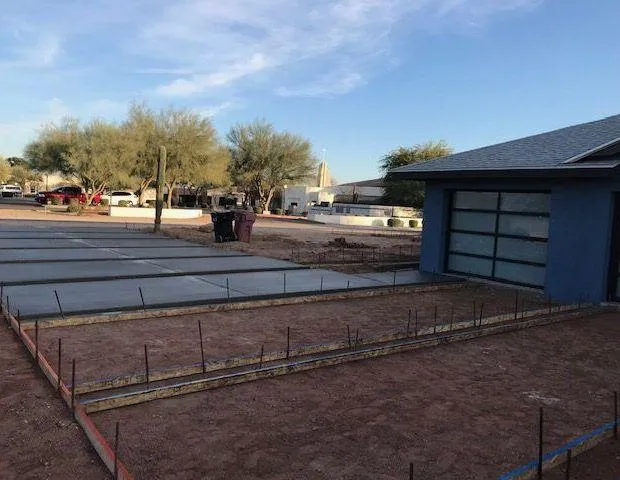
Concrete’s strength isn’t just about the mix—it’s about how well that mix is supported. Driveway slabs need a solid base and the correct thickness to distribute loads evenly. Go too thin, and the slab flexes under pressure, leading to cracks. Go too thick, and you’re paying more than necessary without much added benefit.


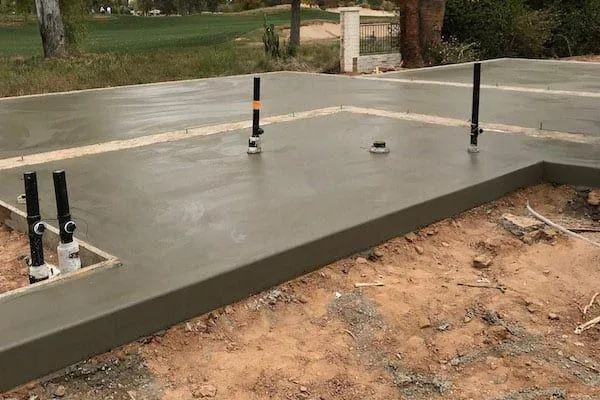
For most residential driveways, 4 inches is the industry standard. But if you plan to park heavier vehicles like RVs or trucks, increasing the slab to 5 or 6 inches provides extra durability. The subgrade beneath the concrete also matters—compact, stable soil or gravel helps prevent shifting and sinking over time.


A team of concrete pros will evaluate soil type, slope, and expected vehicle weight before pouring a single batch. That attention to detail ensures your driveway performs for years, even under the Arizona sun.


Thickness and Climate: A Crucial Balance


In places like Goodyear, where the weather swings between scorching heat and occasional heavy rains, expansion and contraction are constant challenges. When concrete isn’t thick enough, it can’t resist these stresses, and hairline fractures quickly become full-blown cracks.


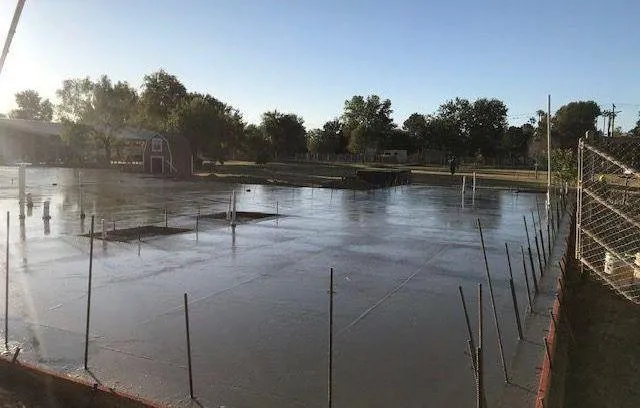
Properly designed driveways account for both thickness and reinforcement. Steel rebar or wire mesh adds strength, while control joints help manage natural cracking. Combining these elements ensures your driveway can handle thermal expansion without falling apart.


When built correctly, a concrete driveway can last 25 to 30 years or more, with minimal maintenance. Skipping corners at the start—especially with thickness—can cut that lifespan in half.


Signs Your Driveway Wasn’t Thick Enough


If your current driveway shows premature cracking, surface flaking, or uneven sinking, there’s a good chance it was poured too thin or over an unstable base. Here’s what to watch for:


  • Cracks along tire paths – Usually indicate uneven load distribution.
  • Edge crumbling – Suggests poor reinforcement or insufficient thickness.
  • Pooled water – Means the surface has settled or sagged in spots.


Unfortunately, thin slabs often can’t be patched effectively long-term. A proper replacement, done at the right thickness, is often the only lasting solution.


Case Study: A Goodyear Driveway Done Right


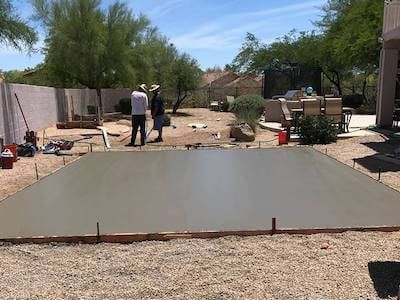
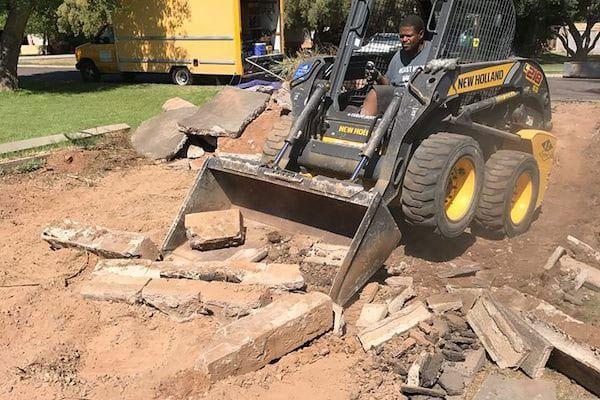
A homeowner in Palm Valley recently faced severe cracking in their driveway just six years after installation. The original builder had poured only 3 inches of concrete over loose soil. Intricate Concrete assessed the issue, removed the damaged slab, compacted the base properly, and poured a 5-inch reinforced replacement.


Today, the driveway looks brand new—three years later, not a single crack in sight. The added thickness, combined with steel reinforcement, made all the difference.


The Bottom Line


Concrete thickness isn’t just a technical detail—it’s the backbone of durability. Whether you’re building a new driveway or replacing an old one, make sure your contractor focuses on proper base prep, reinforcement, and slab depth.


Your driveway is one of the first things people see, but it’s also one of the most abused surfaces around your home. Get the thickness right, and it’ll handle anything you throw at it—from summer heat to heavy trucks—for decades to come.


If you’re ready to invest in a driveway that lasts, talk to experts who understand the importance of precision and durability. Reach out to local professionals with proven results and make sure your next concrete project is built to last.

residential walkway width
April 4, 2026
Not sure how wide your walkway should be? Discover the right dimensions for function, style, and ease; get it right the first time.
concrete vs pavers
March 28, 2026
Choosing between concrete and pavers can be confusing. Learn key differences, costs, and durability to make the right choice today.
stamped concrete
March 24, 2026
Avoid costly stamped concrete mistakes. Learn expert tips to ensure durability, clean patterns, and long-lasting results.
concrete for modern homes
March 18, 2026
Discover why concrete is the smart choice for modern homes. Learn how it delivers durability, style, and long-term value.
walkway design
March 11, 2026
Curved vs. straight walkways: discover which design improves curb appeal, functionality, and landscape flow for your home.
concrete driveway upgrades
March 3, 2026
Upgrade your concrete driveway on a budget with resurfacing, staining, and simple design tips that boost curb appeal fast.
Covered vs. open patios
February 24, 2026
Covered or open patio? Compare costs, comfort, and long-term value to choose the right backyard upgrade for your lifestyle.
concrete repair
February 19, 2026
Spot concrete cracks, sinking, and surface damage early. Learn 5 clear signs your home's concrete needs repair or replacement.
Pool deck design
February 12, 2026
Explore modern stamped concrete ideas that transform patios, pool decks, and outdoor spaces into sleek, low-maintenance retreats.
stamped concrete maintenance
February 6, 2026
Learn how to maintain stamped concrete with simple cleaning, sealing, and protection tips that keep surfaces looking new for years.